

Best Above-Ground Pools of 2026: Models, Innovations and Prices
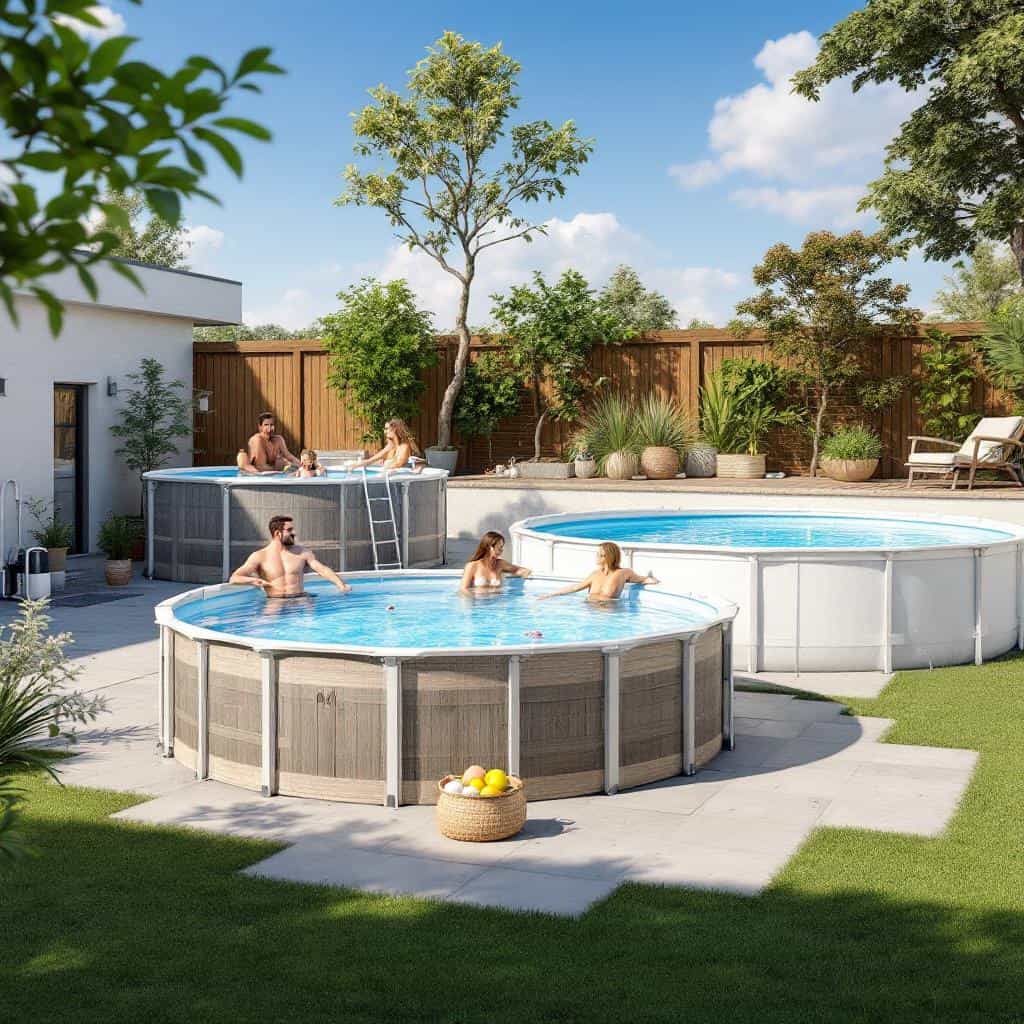
In 2026 the above-ground pool has finally outgrown its old image as a flimsy summer toy, evolving into a serious piece of backyard infrastructure that can rival some in‑ground installations in comfort, aesthetics and durability, and this transformation is visible in the latest generation of models that combine steel frames, composite walls, smart filtration and even app‑based monitoring. While the basic idea remains the same—a self‑supporting basin that can be installed without excavation—the engineering behind today’s best above-ground pools shows a level of refinement previously reserved for permanent structures, and manufacturers are betting strongly on this segment as rising construction costs and stricter building codes make in‑ground pools inaccessible to many families. Industry analysts at the Pool & Hot Tub Alliance estimate that the global market for above-ground pools is now growing faster than the in‑ground segment, and retailers report that 2025’s late‑season preorders for 2026 models have been among the strongest in a decade. Yet for consumers the choice has become more complex, because the range spans from sub‑$300 inflatable basins to $6,000 composite‑walled semi‑inground systems, each with a different balance of price, durability, aesthetics and ease of installation, and understanding the technical characteristics behind the marketing language has become essential to making a good investment.
At the entry level of the 2026 lineup there are still inflatable and quick‑set pools, which remain popular for renters, small yards and families seeking a low‑commitment solution, and the most notable trend this year is the use of reinforced triple‑layer PVC with UV‑resistant coatings and integrated repair meshes, which manufacturers claim can extend the life of these pools beyond the usual two or three summers. A typical 12‑foot by 30‑inch inflatable ring pool now costs between $200 and $350 depending on capacity and included pump, and leading brands advertise flow rates around 1,000 to 1,500 gallons per hour with cartridge filters that require replacement every two to four weeks. The advantages of these models are clear: they can be set up in under an hour on a reasonably level surface, they pack away for winter, and they are forgiving for households where children may outgrow the pool or families may move. However, experts like outdoor living consultant Sarah Klein point out that the apparent affordability can be deceptive, because the recurring cost of filter cartridges, the shorter lifespan of vinyl exposed to sun and chemicals and the lack of structural rigidity often mean that buyers upgrade sooner than expected. Safety is another concern, as the soft walls are easy to climb and can collapse if punctured or overloaded, and while this flexibility is a benefit in some scenarios it limits the sense of permanence that many homeowners now seek from their backyard investments.
Stepping up from inflatables, the steel‑frame soft‑sided pool remains the workhorse category in 2026, and these are the models most families recognize as the classic above‑ground option, with a tubular metal frame supporting a heavy‑duty liner and sometimes an external decorative panel. Technically, the latest generation distinguishes itself in three main areas: anti‑corrosion treatment of the frame, multi‑layer liners with thicker gauge PVC or vinyl, and improved connection systems that reduce the risk of leaks or structural failure at the joints. A typical mid‑range 15‑foot by 48‑inch round steel‑frame pool holds around 4,000 gallons of water, uses a pump in the 1,500 to 2,500 gallons‑per‑hour range, and retails between $600 and $1,200 depending on the included ladder, cover and skimmer, with premium packages that bundle upgraded sand filters often stretching toward $1,500. The strengths are versatility and value for money: with proper ground preparation and a basic tool set, two adults can assemble such a pool in half a day, and disassembly for winter storage is possible though not always convenient. The main weakness is that despite improved galvanization and powder coatings, steel structures remain vulnerable to rust in humid or coastal climates, especially when owners neglect to rinse off saltwater systems or leave winter covers to trap moisture, and liners, while more durable than a decade ago, can still be punctured by sharp objects or degraded by harsh chemical imbalances.
Above this mid‑range sits a category increasingly described by manufacturers as “hybrid” or “semi‑permanent” above‑ground pools, and 2026 has been a breakout year for these designs that blend resin, aluminum and composite materials to achieve both robustness and a more refined appearance. These pools often use resin top rails and uprights combined with galvanized or aluminum walls, with some lines introducing wood‑grain composite exteriors that mimic the look of deck cladding, and from a technical perspective the shift from pure steel to hybrid materials aims to combat two traditional enemies of above‑ground pools: corrosion and thermal stress. Resin components do not rust and cope better with temperature fluctuations, which reduces warping and loosening over time, and composite panels are often insulated, helping maintain water temperature and dampening the metallic echo that older models were known for. In practical terms a 2026 hybrid 18‑foot by 52‑inch round pool can cost between $2,000 and $3,500, and oval configurations or models marketed as semi‑inground can easily approach the $5,000 to $6,000 mark before installation, with optional buttress‑free support systems adding another layer of complexity and cost. The advantage is a structure that can reasonably be expected to last 10 to 15 years with proper care, but the disadvantage is that the installation is no longer a DIY afternoon project for most families, often requiring professional leveling, blocks or compacted sand bases and occasionally even municipal permits when the pool height and volume exceed local thresholds.
One of the most discussed innovations for 2026 is the widespread availability of salt‑water compatible above‑ground pools, a feature that was once associated mainly with high‑end in‑ground systems and which has now trickled down to mid‑range and even some budget models. Technically, a salt‑water pool is still a chlorine pool, but instead of manually dosing chlorine tablets the water passes through an electrolytic cell that converts dissolved salt into free chlorine, maintaining a more stable and often gentler sanitizing environment. Many 2026 above‑ground pools now come either bundled with a salt‑water chlorination unit or rated as compatible, meaning the pump and liner materials can tolerate the slightly saline conditions without premature deterioration. Pricewise, adding a salt system to a basic steel‑frame pool can cost an extra $250 to $500, and integrated packages aimed at families who prioritize low‑maintenance care often retail around $900 to $1,500. Advocates such as pool maintenance educator Jason Lee argue that salt systems reduce the classic pool smell, are friendlier to skin and eyes and simplify routine management, but they caution that poorly informed owners sometimes mistakenly believe salt pools require no chemical balancing at all, which can lead to corrosion of nearby metal fixtures and damage to liners if pH and alkalinity are ignored. In the above‑ground segment, where metal frames and cheaper fittings are common, understanding the interplay between salt, corrosion protection and electrical bonding is crucial, and reputable vendors now emphasize compatibility charts and grounding recommendations more prominently in their 2026 catalogs.
Another visible trend in 2026 is aesthetic integration, with manufacturers and homeowners moving away from the “temporary blue tub” look and toward solutions that blend with landscaping, decking and outdoor furniture, and this is where semi‑inground above‑ground pools have carved out a niche. These models are structurally designed to be partially buried or encased in custom decking, often featuring thicker walls made of corrugated steel or composite panels, reinforced uprights and flexible coping systems that interface with wood or composite deck boards, and they occupy a strange middle ground between classic above‑ground convenience and the permanence of in‑ground installations. Prices for these systems vary widely, starting around $3,500 for a basic 12‑by‑24‑foot oval shell with no deck and rising above $8,000 once professional excavation, retaining walls, decking and electrical work are factored in, and for many families this blurred line between categories is both appealing and confusing. Urban planners note that in suburbs where property values are tied to outdoor amenities, semi‑inground pools can be marketed by real‑estate agents as a selling point almost on par with small in‑ground pools, yet above‑ground purists warn that burying walls partly or entirely changes drainage patterns and can void warranties if not executed precisely according to manufacturer specifications. This tension between flexibility and regulation recalls the early days of domestic hot tubs in the 1970s, when innovative homeowners pushed the limits of what could be installed on simple decks, sometimes discovering the hard way that water is much heavier than it looks and that structural engineering cannot be improvised.
A recurring question among 2026 buyers concerns energy efficiency, and here technical improvements in pumps, filters and covers shape the real operating cost of an above‑ground pool more than the structure itself, with variable‑speed pumps being the standout innovation finally reaching mainstream affordability. Whereas older pools often shipped with single‑speed pumps that consumed around 800 to 1,200 watts during operation, new mid‑range systems now bundle variable‑speed pumps rated around 0.85 horsepower that can run at lower speeds for basic filtration, dropping daily energy consumption by 40 to 60 percent according to tests published by several utility‑sponsored efficiency programs, and while the initial cost is higher—often adding $300 to $500 to the package—experts like mechanical engineer Daniela Ruiz argue that in regions with high electricity prices the payback period can be as short as three seasons. Filters, too, have evolved, with sand filters still dominating the market but cartridge and glass‑media options gaining ground among homeowners who prioritize fine particle removal and water clarity, and some premium 2026 models now integrate pre‑filters or cyclone separators to extend the life of cartridges and reduce backwashing frequency. A common misconception, often spread in online forums, is that smaller pumps save money simply because they are smaller, yet hydraulics specialists note that underpowered systems may need to run much longer to achieve the necessary turnover rate, effectively erasing any savings and potentially compromising sanitation, and the smart choice is to match pump capacity to pool volume and plumbing design rather than chasing the lowest advertised wattage figure.
The question of price remains central in 2026, particularly as inflation and supply‑chain fluctuations over the past few years have taught consumers to look beyond headline discounts, and a realistic breakdown reveals distinct tiers with different expectations and risk profiles. Entry‑level inflatable and quick‑set pools between $150 and $400 promise instant fun but are essentially depreciating seasonal goods, with most manufacturers offering only 90‑day to one‑year limited warranties that focus narrowly on manufacturing defects rather than punctures or user damage, and buyers in this category often accept replacement as part of the model. Moving up to $600–$1,500 steel‑frame kits introduces sturdier construction and better pumps, and warranties extend to two or sometimes three years on the frame and one year on the liner and equipment, though close reading of the fine print reveals exclusions for corrosion due to improper water chemistry and damage from unlevel ground or unauthorized modifications. Hybrid resin‑steel and semi‑inground systems in the $2,000–$6,000 range typically tout 10‑ to 20‑year prorated warranties on walls and uprights, with shorter terms on liners and accessories, and this is where reputable dealers play a crucial role by handling registration, inspections and claims, something big‑box and purely online sellers may not always do thoroughly. Financial planners emphasize that buyers should factor in not only the ticket price but also installation materials, electrical grounding, fencing for safety compliance and ongoing chemical and energy costs, which for a mid‑sized pool can easily reach $400 to $800 per season depending on climate and usage, and while this reality shatters the myth of the truly “cheap” pool, it also underscores why a well‑chosen above‑ground model can still deliver vastly better value than many in‑ground alternatives.
Durability and after‑sales support are closely linked to warranties in the 2026 market, and seasoned pool technicians often judge brands less by their advertising claims than by how they handle the first significant problem that owners encounter, whether that is a hairline crack in a resin upright, a seam failure in the liner or a pump motor that burns out mid‑season. Historically, above‑ground pools suffered from a reputation for poor support and opaque warranty processes, but growing consumer awareness and the influence of online reviews have pushed reputable manufacturers to streamline claim submissions, publish clearer documentation and expand coverage in certain critical areas, particularly structural integrity of walls and frames. Some leading 2026 models now come with five‑year full coverage followed by prorated extensions up to 20 years on the frame, and while this does not eliminate the frustration of failures, it provides a stronger safety net for households making a larger investment in semi‑permanent installations. Yet consumer advocates warn that warranties are no substitute for correct installation and maintenance, and many denied claims stem from pools placed on uneven ground, lacking proper support under the uprights or operated outside the recommended temperature and chemical ranges, and here the best brands invest heavily in educational materials, step‑by‑step videos and dealer training to prevent such issues. As civil engineer and safety consultant Mark Henson notes, water exerts enormous lateral pressure, and a seemingly minor shortcut in leveling or bracing can translate into thousands of pounds of force over time, turning what looks like a simple backyard toy into a genuine structural load that must be respected.
Looking forward, the above‑ground pools of 2026 reveal not only where the segment stands today but also how it is likely to evolve in the coming years, with digital monitoring, modular accessories and increasingly eco‑friendly materials reshaping expectations about what a “temporary” backyard pool can be. App‑connected water quality sensors, once the domain of high‑end spas, are starting to trickle into mid‑range kits, allowing owners to receive alerts about pH, chlorine levels and temperature directly on their phones, and although these systems add $150 to $300 to the package price, early adopters in regions with strict health codes or allergy concerns find the peace of mind worth the premium. Environmentally, manufacturers are experimenting with recyclable composites, lead‑free vinyl and reduced‑packaging logistics, partly in response to regulatory pressure and partly because a new generation of buyers expects sustainability to be more than a marketing slogan, and some European 2026 models advertise cradle‑to‑cradle design features that may soon influence North American offerings. At the same time, old myths endure, such as the belief that above‑ground pools dramatically lower property value or are inherently unsafe, yet real‑estate data and accident statistics show that properly installed, fenced and maintained above‑ground pools can coexist with attractive, functional yards and deliver seasons of safe recreation. As with many household technologies that began as simple convenience items—think of window air conditioners or plug‑and‑play solar panels—the above‑ground pool has matured into a complex product where technical details, regulations and lifestyle considerations intersect, and for families shopping in 2026 the best strategy is to match expectations with budget, climate and maintenance tolerance rather than chase the biggest or cheapest pool on the shelf, because the true value of these shimmering backyard oases emerges not in the glossy brochures but over many summers of reliable, refreshing use.
In conclusion, the best above‑ground pools of 2026 are defined less by a single “top model” and more by how effectively they align materials, filtration technology, energy use, warranties and design with the diverse needs of modern households, from renters looking for a season of affordable splash time to homeowners building elaborate semi‑permanent outdoor living spaces, and this diversity is what makes the category both exciting and challenging to navigate. Inflatable and quick‑set options remain unmatched for portability and low entry cost despite shorter lifespans, steel‑frame soft‑sided pools continue to offer a robust balance of price and capacity for most families, hybrid resin and composite designs push the envelope on durability and aesthetics, and semi‑inground systems blur the line between temporary and permanent installations while demanding more serious planning and investment, and across all these tiers innovations like salt‑water compatibility, variable‑speed pumps and smart monitoring are reshaping maintenance routines and long‑term costs. Experts consistently stress that no above‑ground pool, no matter how advanced, can compensate for neglect of water chemistry, safety barriers or structural preparation, yet when these fundamentals are respected the 2026 generation of products offers unprecedented comfort, clarity and customizability, giving buyers real leverage to choose a solution tailored to their climate, yard and budget. For consumers, the smartest move is to view marketing claims through a lens of technical understanding, verify warranty conditions and local regulations before purchase, and consider not just the price tag but the full lifecycle of installation, operation and eventual replacement or upgrade, and those who do so are likely to find that the contemporary above‑ground pool—so often underestimated in past decades—can provide one of the most rewarding and flexible outdoor investments available in the evolving landscape of home leisure and recreation. The story of above‑ground pools in 2026 is thus a story of democratized luxury, incremental engineering progress and heightened consumer awareness, and as climate patterns shift and outdoor spaces become ever more central to daily life, these modular bodies of water will likely continue to rise in importance, quite literally standing above the ground yet firmly embedded in the cultural and economic fabric of modern domestic life.
You may also like
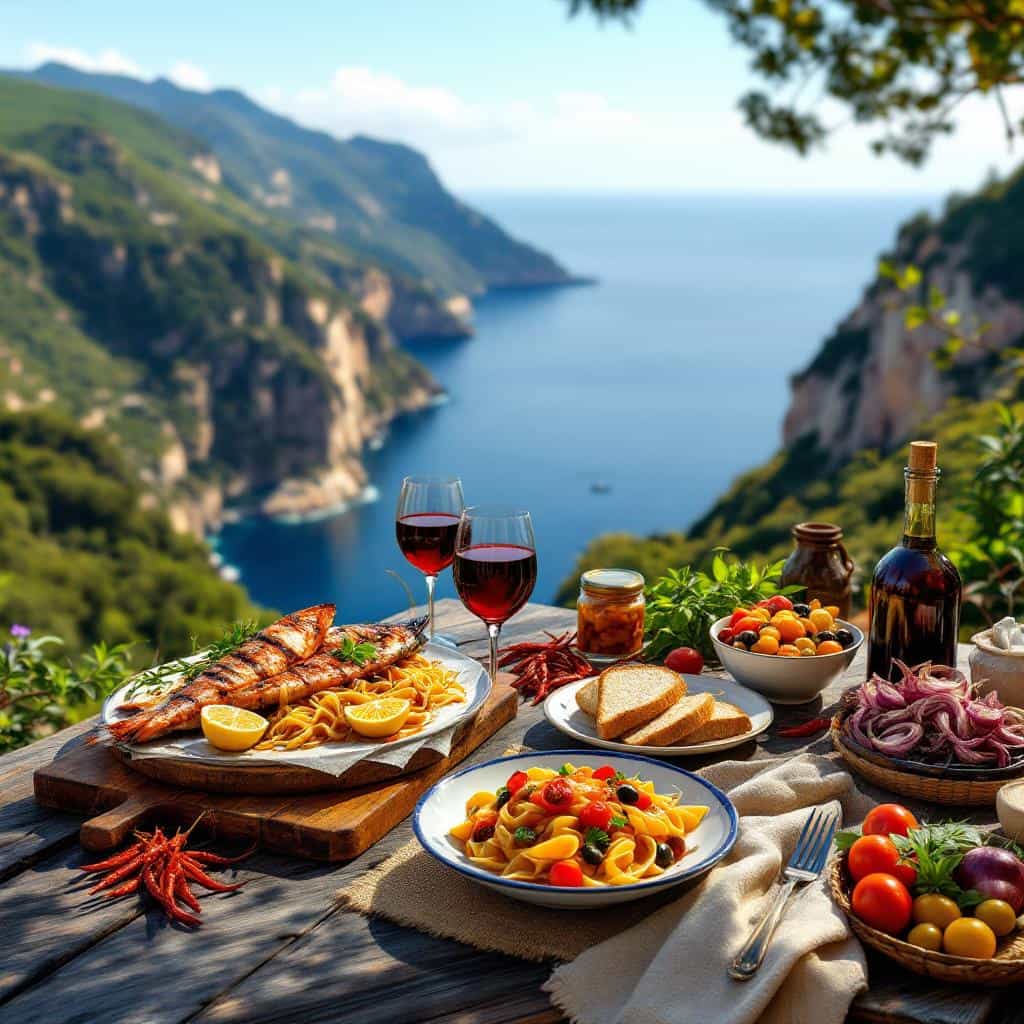
Calabria: Typical Dishes Where Mountain Traditions Meet the Sea
A journey through the most iconic Calabrian dishes, exploring how ancient rural traditions, mountain ingredients and the wild Tyrrhenian and Ionian seas blend into a unique culinary identity.
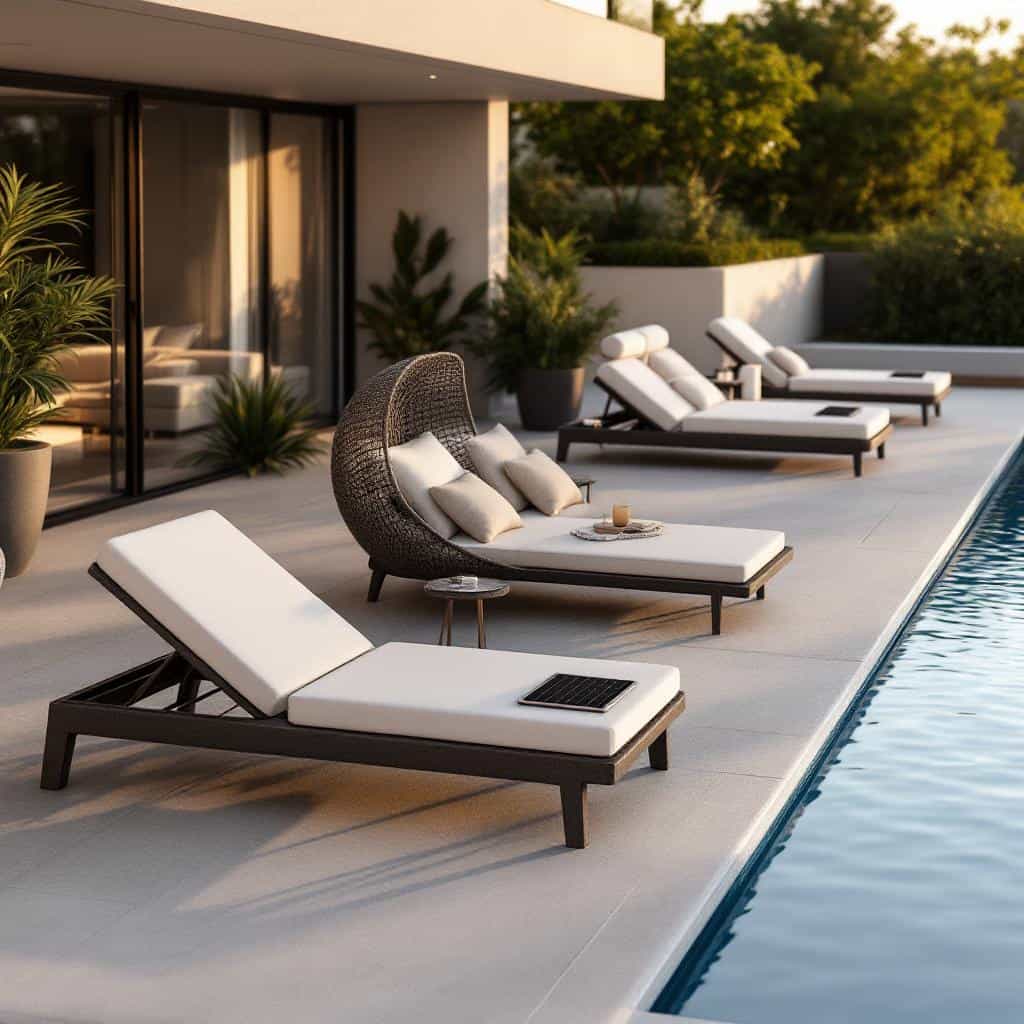
The Best Sun Loungers of 2026
From smart adjustable loungers to ultra‑light aluminum models and luxury poolside daybeds, 2026 is shaping up to be a breakthrough year for outdoor relaxation. This in‑depth guide examines the best sun loungers of 2026, their technical features, strengths and weaknesses, pricing, warranties and the key innovations that are redefining the way we enjoy the sun.
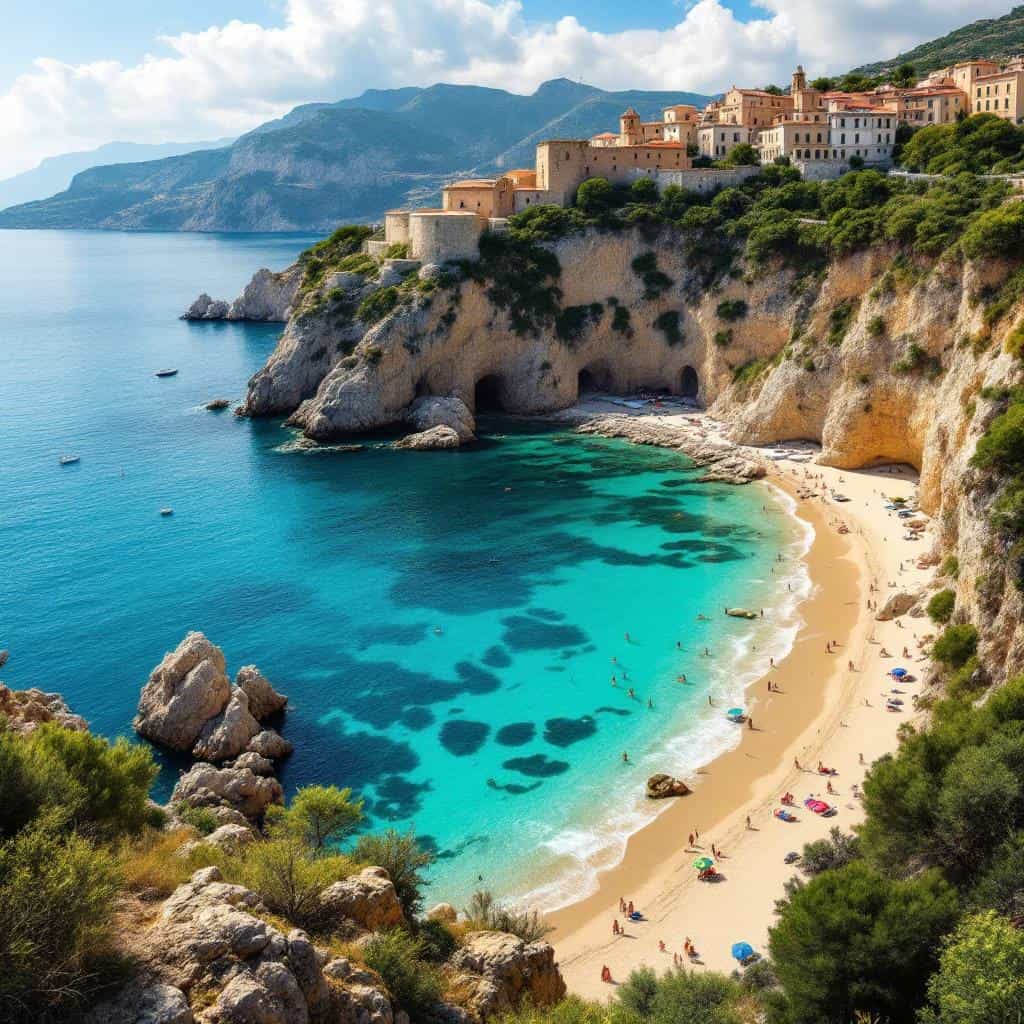
Discover the most beautiful beaches in Calabria
From the Tyrrhenian to the Ionian Sea, Calabria offers some of Italy’s most spectacular and still under‑the‑radar beaches. This long‑form feature explores the region’s coastline, from Tropea and Capo Vaticano to the wild stretches of the Ionian side, weaving together nature, history, local anecdotes and expert insights on why Calabria may be the next great Mediterranean escape.
Scopri le spiagge più belle della Calabria
Dal Mar Tirreno allo Ionio, la Calabria offre alcune delle spiagge più spettacolari e ancora poco conosciute d'Italia. Questo lungo articolo esplora la costa della regione, da Tropea e Capo Vaticano alle distese selvagge del versante ionico, intrecciando natura, storia, aneddoti locali e approfondimenti di esperti sul perché la Calabria potrebbe essere la prossima grande fuga nel Mediterraneo.