

Calabria: Typical Dishes Where Mountain Traditions Meet the Sea
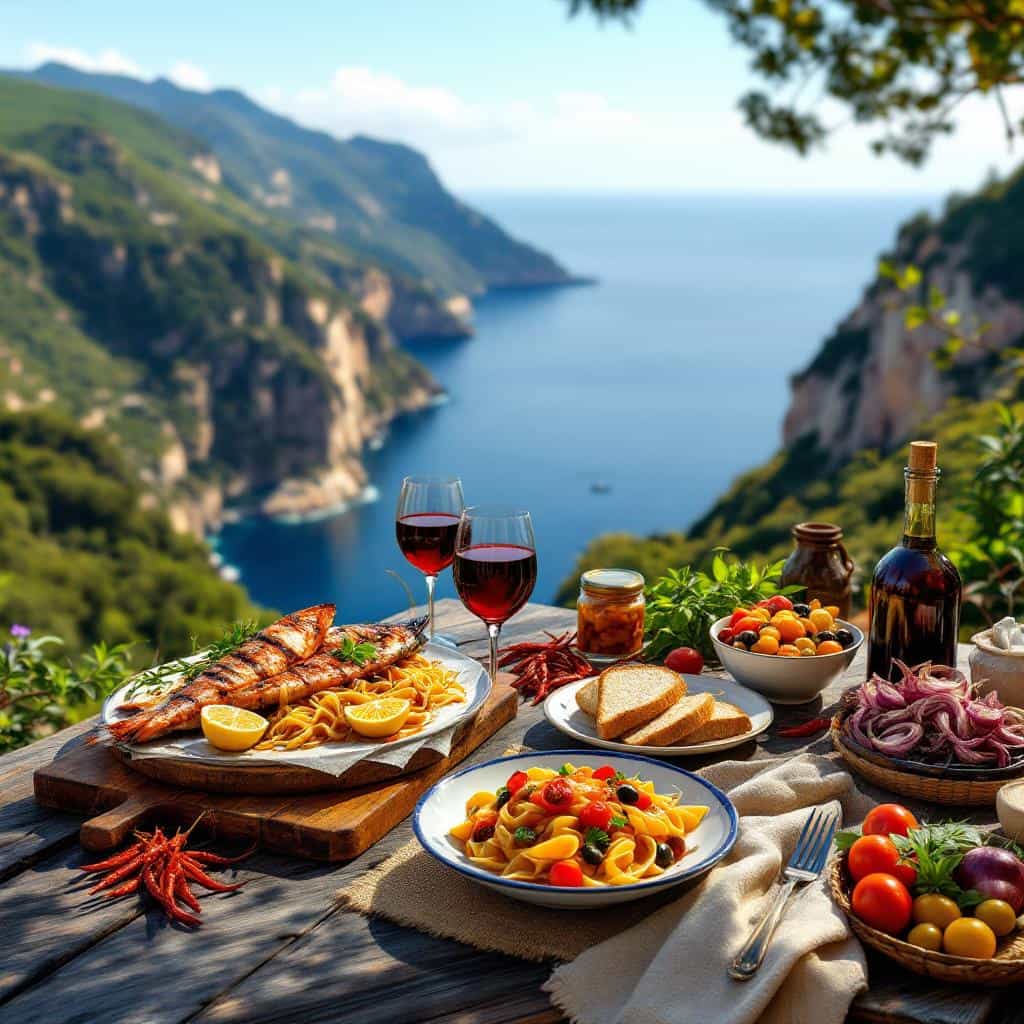
Calabria, the rugged toe of Italy’s boot, is a land where mountains plunge abruptly into two seas and where the kitchen table tells the story of this encounter between land and water. Calabrian cuisine is often described as poor in origins yet rich in personality, built on a handful of ingredients sharpened by sun, salt, and an abundance of chili peppers. At first glance, it may seem dominated by fiery flavors and rustic preparations, but behind each typical dish lies a delicate balance between the harshness of the interior and the generosity of the coast. Historians of food, such as Italian gastronome Alberto Capatti, often note that Calabria kept its culinary identity more intact than many other regions because of its relative isolation, preserving recipes that speak the language of shepherds, fishermen and small farmers who learned to transform modest ingredients into intense, unforgettable flavors. This is a cuisine where goat grazing on mountain slopes, olive groves baked in summer heat and small fishing boats on the Tyrrhenian and Ionian seas all converge in the same pot.
Walking across Calabria is like crossing several countries in a single day, and the plate mirrors this journey. Inland, the Sila and Aspromonte massifs offer forests, chestnuts, mushrooms, and pastures for sheep and goats; along the coasts, anchovies, swordfish and tuna dominate the nets. It is no coincidence that many traditional dishes pair cured meats from the hinterland with flavors born from the sea, or that humble pasta shapes are seasoned with sauces that smell of both smoke and salt. Culinary anthropologist Marino Niola has underlined how the Calabrian table reflects a nearly symbiotic relationship with its environment: everything that grows on these stony soils or swims in nearby waters finds its place in a recipe, often preserved in oil, salt or vinegar to withstand long winters and former periods of isolation. Even today, visitors quickly notice that the same menu can effortlessly move from a spicy pork spread to a fragrant fish stew, without ever losing a distinct sense of place. The result is a cuisine that both comforts and challenges, anchored in the land yet always touched by the sea breeze.
No dish embodies this meeting of intensity and simplicity more than ’nduja, perhaps the most famous Calabrian product abroad. Born in the small town of Spilinga, ’nduja is a soft, spreadable salami made from pork, fat, and an almost extravagant quantity of chili pepper, then smoked and naturally aged. Its texture is akin to a fiery pâté, traditionally spread on slices of rustic bread or melted into sauces. Popular legend holds that ’nduja was once the food of the poor, created to use less prized cuts and preserved fat; modern historians note that its origins are probably linked to French and Spanish influences as well as local ingenuity, yet the people of Calabria have fully made it their own. When you taste ’nduja near the Tyrrhenian coast, overlooking the cliffs of Capo Vaticano, the burn of the chili seems to echo the shimmering light on the water, while the smokiness brings to mind wood-fired ovens of shepherds’ huts high in the hills. Contemporary chefs, such as Calabrian-born Nino Rossi, use ’nduja to perfume seafood ragù or to enrich simple tomato sauces, showing how a product rooted in mountain peasant cooking can elegantly marry shrimp, mussels or even octopus from nearby waters.
Equally emblematic of the region’s rural heart is fileja, the twisted handmade pasta of Vibo Valentia and surroundings, traditionally rolled around a thin reed or knitting needle. Fileja is a perfect symbol of Calabria’s domestic cuisine: simple dough of durum wheat and water, shaped patiently at the table, often by grandparents and children together. Yet, as is typical in this region, the condiments often tell a story that runs from barns to beaches. One classic version is fileja alla ’nduja, where the pasta absorbs the fiery sausage and sun-sweet tomato, but in fishing villages it is not rare to find fileja tossed with clams or small fish, lightly scented with chili and wild fennel. Travel writer and food expert Katie Parla has observed that Calabrian pasta dishes often straddle this frontier between land and sea, reflecting a culture where many families historically moved seasonally between mountain and coast. The same hands that kneaded dough after tending fields might salt anchovies in the evening, and this duality survives in recipes that don’t fear mixing pork fat and seafood in the same pot, defying the simplistic notion that Italian traditions strictly separate these worlds.
Calabria’s devotion to chili pepper—peperoncino—deserves a chapter of its own, not just as a stereotype but as a living symbol of identity. The small, pointed red peppers that hang in garlands from balconies in towns like Diamante are far more than a decorative cliché: they are preserved in oil, ground into powders, dried as whole pods and worked into sausages, cheeses and fish dishes. Locals often insist that chili is not just about heat but about preservation and health. Some point to folk wisdom that attributes digestive and antiseptic properties to peperoncino, while nutritionists highlight that, in moderation, it stimulates circulation and may help reduce the need for excessive salt. The annual Peperoncino Festival in Diamante gathers chefs, farmers, and researchers who debate the pepper’s cultural and biological significance, confirming how deeply it is woven into Calabrian life. In coastal trattorias, a few drops of chili-infused oil are drizzled over grilled swordfish or simple anchovy pasta, creating a bridge between the sunburnt hills that grow the peppers and the blue expanse that provides the fish. This interplay dismantles the common belief that spicy food belongs only to meat; in Calabria, the same fiery touch enhances mussels, octopus, and even tuna tartare, linking marine delicacy with earthy intensity.
Turning from spice to the sweetness of the land, Calabrian cuisine is also rooted in olive groves, citrus orchards and vegetable gardens that hug the hillsides above the sea. Dishes such as melanzane alla parmigiana, though claimed by many regions, acquire a distinct personality here thanks to eggplants ripened under harsher sun and often fried in local extra-virgin olive oil. Another typical preparation is caponata or giardiniera-style preserved vegetables, where peppers, eggplants, zucchini, carrots and cauliflower are pickled or preserved in oil, ensuring a taste of summer even in winter months. Agronomists often point out that Calabria’s olive oils—from areas like Lamezia Terme or the hills of Reggio Calabria—carry aromas of herbs and artichoke, shaped by soil and sea breezes, and these oils form the delicate base of many seemingly simple dishes: a bruschetta rubricata with tomatoes and oregano, a plate of boiled potatoes dressed with oil, salt and red onion from Tropea, or a salad of fennel and orange. These preparations may appear rustic, but they encapsulate the Mediterranean diet that nutrition science has repeatedly praised: olive oil, vegetables, legumes and moderate use of fish and meat. UNESCO’s recognition of the Mediterranean diet as intangible heritage indirectly celebrates regions like Calabria, where this lifestyle emerged organically, rather than from any conscious health trend.
If there is a single vegetable that encapsulates the chemistry between land fertility and sea influence, it is the celebrated red onion of Tropea, growing near cliffs washed by the Tyrrhenian. Protected by a European PGI certification, the Cipolla Rossa di Tropea is sweet, crisp, and low in pungency, thanks to microclimate conditions and sandy soils caressed by marine winds. Locals eat it raw in salads with tomatoes and olives, caramelized as a side dish, or even transformed into jam to accompany cheeses and cured meats. Chefs on the Costa degli Dei have developed daring pairings, such as tuna tartare with Tropea onion compote, or octopus carpaccio with onion gel, using the vegetable’s sweetness to echo the natural sugars in fresh fish. Food historians note that in the past, onion ropes were so valued that they served almost as currency, traded in markets that reached far beyond Calabria. The common belief that onions are always aggressively sharp is turned upside down here: Tropea onions invite repeated bites, and when you eat them on a terrace overlooking the sea, it is easy to imagine how centuries of farmers and fishermen relied on this humble bulb as a daily anchor of their diet. In a single bite, one perceives both earth and salt air, neatly summarizing the Calabrian landscape.
Fish itself takes center stage in many signature dishes that showcase the proximity of deep seas to steep terrain. Along the Straits of Messina, swordfish reigns supreme, often grilled simply with lemon, olive oil and a whisper of oregano, or prepared alla ghiotta with capers, olives, and tomatoes. Old photographs show feluccas—traditional swordfish boats with tall masts—setting out at dawn, and the technique of harpooning swordfish has become part of maritime folklore, mentioned by writers and travel journalists who portray Calabria as a bridge between classical myth and modern life. In towns like Scilla, families still guard recipes for involtini di pesce spada, thin swordfish rolls stuffed with breadcrumbs, herbs and sometimes raisins and pine nuts, a combination that reflects Arab and Mediterranean traces in local history. Meanwhile, on the Ionian side, small anchovies and sardines are marinated, fried, or preserved under salt, forming the backbone of everyday meals. Nutrition experts often highlight these blue fish as a pillar of the healthy Mediterranean pattern; in Calabria, they are not a fashionable ingredient but a centuries-old necessity. Served alongside mountain cheeses or cured meats, they reveal the dual soul of a region that refuses to choose between pasture and tide.
Religious festivals and seasonal rituals add yet another layer to the story of Calabrian dishes, revealing how the calendar of saints and harvests shaped what ended up on plates. During Easter, for example, families bake cudduraci or cuzzupe, ring-shaped breads often decorated with whole eggs still in their shells, a symbol of rebirth that blends Christian symbolism with older pagan rites of spring. Around Christmas, tables groan under the weight of fried sweets like turdilli and pignolata, often drizzled with honey from hives nestled on hillside terraces overlooking the sea. Many of these sweets include citrus zest—orange, lemon or bergamot—showing how orchard and coastline are intertwined not only in savory dishes but in desserts as well. Anthropologists note that in rural Calabria, feasts were historically rare moments of abundance in otherwise frugal lives, and special dishes were designed to be filling, preservable and shareable. Today, these festive foods serve as living archives of memory, bonding urban Calabrians and emigrant communities abroad to their ancestral villages. The notion that Calabrian cuisine is solely about everyday spiciness is debunked when one tastes these delicate honeyed pastries or the anise-perfumed breads of inland towns, which tell quieter stories of devotion and family ties.
Modern Calabria is witnessing a culinary renaissance that nonetheless respects the old dialect spoken by its stoves. Young chefs, many trained in northern Italy or abroad, are returning to their homeland to reinterpret tradition rather than erase it. In restaurants along the Riviera dei Cedri or near the Aspromonte foothills, menus feature deconstructed parmigiana with smoked provola from Sila, raw red shrimp paired with bergamot-infused oils, or risotto scented with licorice from Rossano and crowned with fried anchovies. Food critics such as Gambero Rosso’s panelists have remarked how Calabria is moving from “hidden gem” to recognized protagonist of Italian gastronomy, while still remaining less commercialized than neighboring regions. At the same time, local nonnas continue to roll fileja at their kitchen tables and farmers’ markets sell jars of pickled vegetables, tuna in oil, and chili preserves, ensuring that innovation does not sever its roots. This coexistence challenges the simplistic idea that progress must involve abandoning peasant food: in Calabria, the most avant-garde dish often starts from a fisherman’s morning catch or a shepherd’s cheese, filtered through new techniques but retaining the clear flavors of land and sea.
Ultimately, tasting the typical dishes of Calabria means entering a narrative that refuses to be neatly separated into “mountain” and “coast.” From ’nduja spread on bread while watching the sunset over Tropea, to a plate of fileja crowned with clams and chili in a beachside trattoria, or swordfish rolls served next to a salad of Tropea onions and oranges, every bite draws invisible lines between pastures and waves. Experts in Mediterranean culture often argue that this region, long marginalized economically, has preserved a culinary wisdom that richer areas sometimes lost in the rush to modernity: eat what the season offers, preserve what you can, and let the natural character of each ingredient speak clearly. Common misconceptions—that Calabrian food is only hot, only meat-heavy, or lacking refinement—fade as soon as one discovers the variety of vegetable-based dishes, subtle seafood preparations and complex sweets. What remains is a sense of authenticity, sharpened by the sight of steep hills diving into clear water. To savor Calabria is to accept that the same sun ripens both olives on terraced slopes and tomatoes in coastal gardens, while the same salt that cures anchovies also rides the wind inland, touching vines, orchards and fields. On the Calabrian table, nature and sea are not separate domains but two voices in a single, resonant chorus of flavor.
You may also like
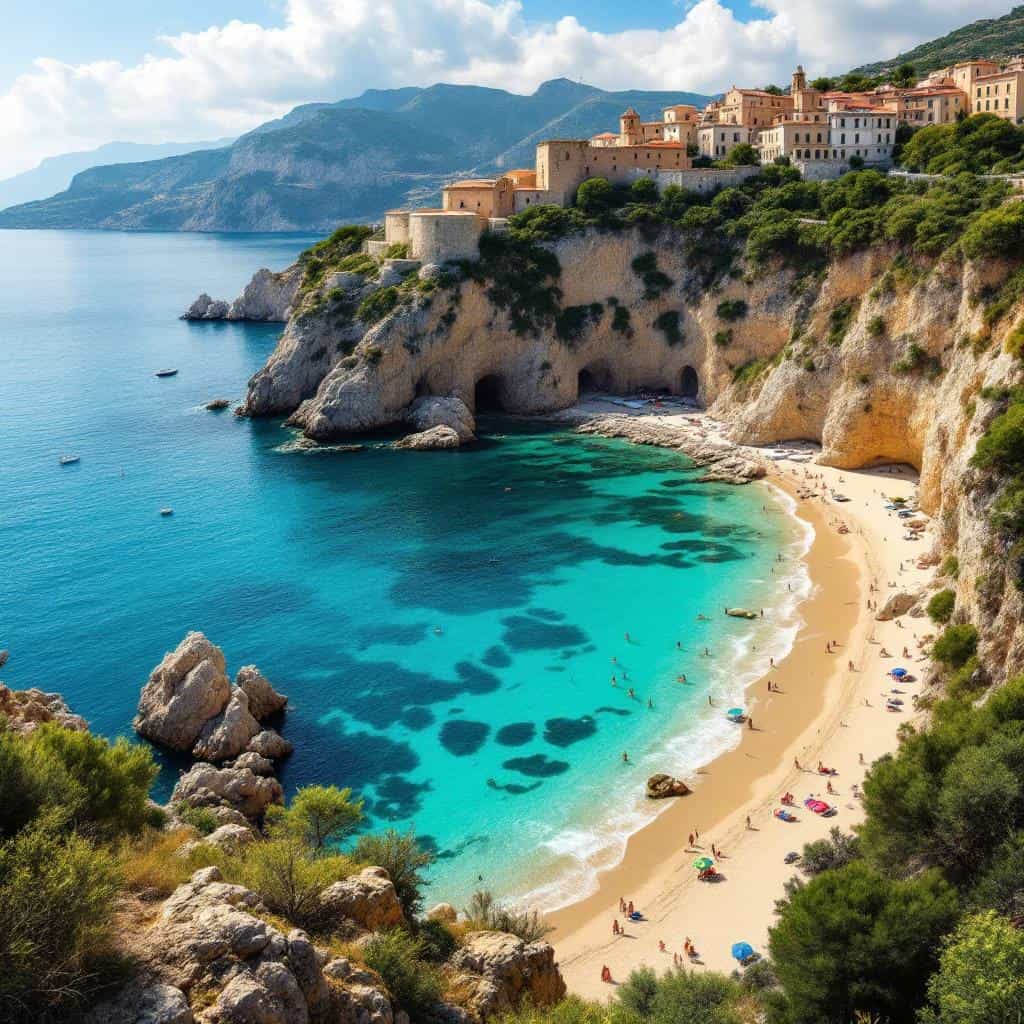
Discover the most beautiful beaches in Calabria
From the Tyrrhenian to the Ionian Sea, Calabria offers some of Italy’s most spectacular and still under‑the‑radar beaches. This long‑form feature explores the region’s coastline, from Tropea and Capo Vaticano to the wild stretches of the Ionian side, weaving together nature, history, local anecdotes and expert insights on why Calabria may be the next great Mediterranean escape.
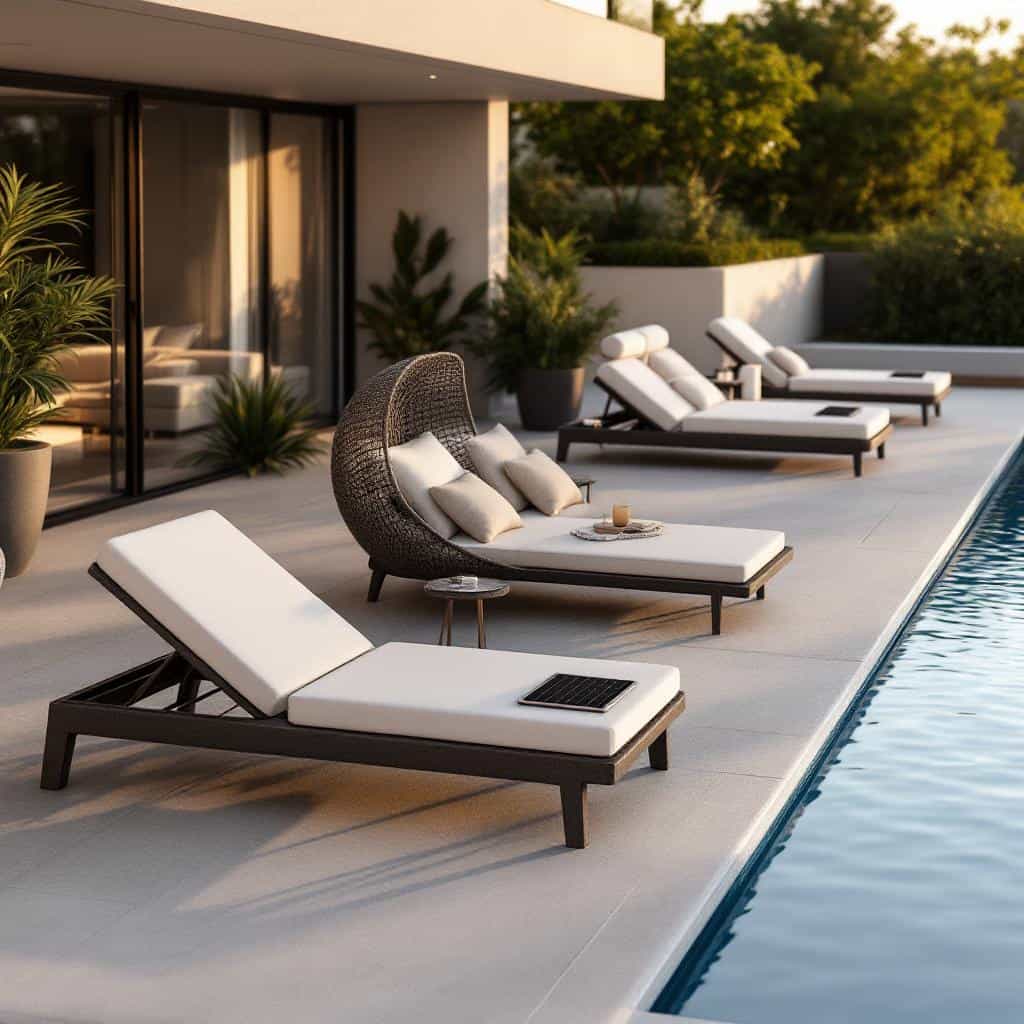
The Best Sun Loungers of 2026
From smart adjustable loungers to ultra‑light aluminum models and luxury poolside daybeds, 2026 is shaping up to be a breakthrough year for outdoor relaxation. This in‑depth guide examines the best sun loungers of 2026, their technical features, strengths and weaknesses, pricing, warranties and the key innovations that are redefining the way we enjoy the sun.
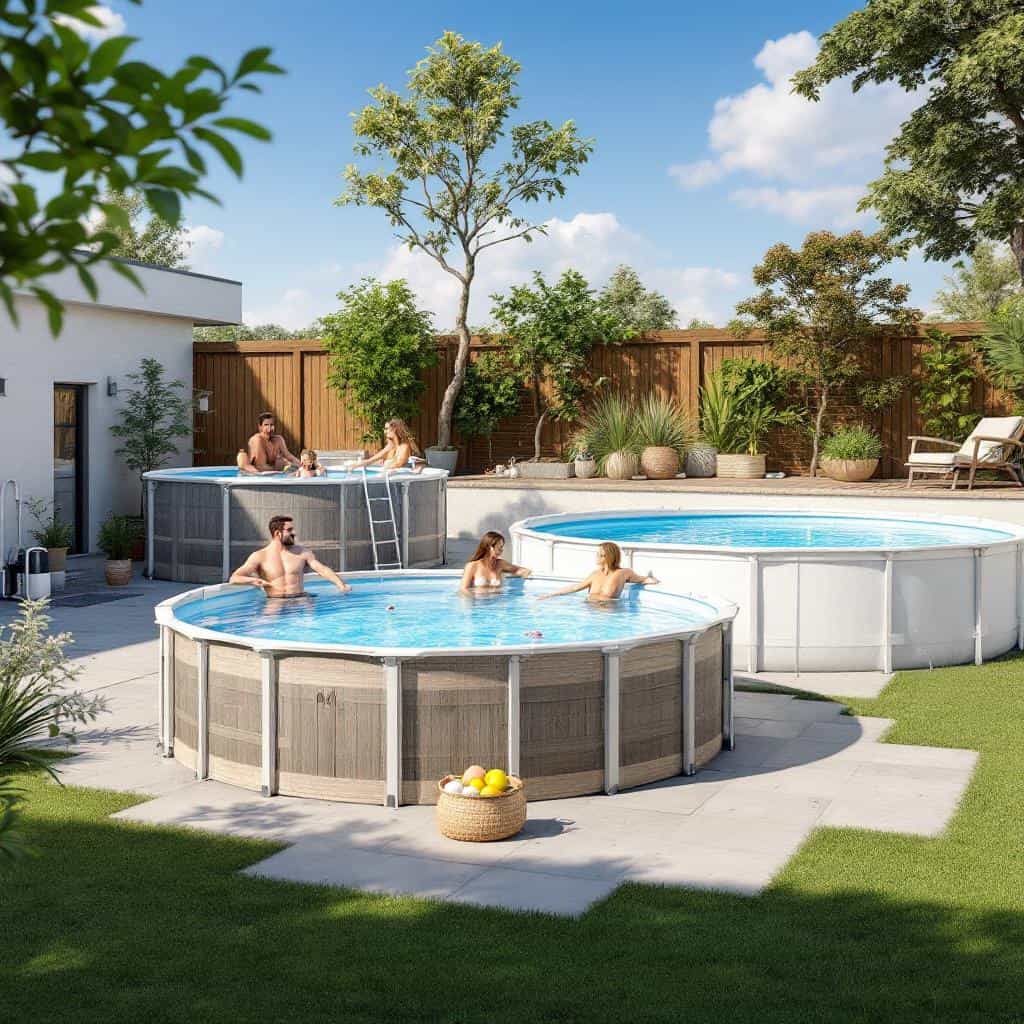
Best Above-Ground Pools of 2026: Models, Innovations and Prices
A deep dive into the best above-ground pools of 2026, exploring technical features, pros and cons, new trends, price ranges and warranty conditions, with expert opinions and practical advice for different types of buyers.
Scopri le spiagge più belle della Calabria
Dal Mar Tirreno allo Ionio, la Calabria offre alcune delle spiagge più spettacolari e ancora poco conosciute d'Italia. Questo lungo articolo esplora la costa della regione, da Tropea e Capo Vaticano alle distese selvagge del versante ionico, intrecciando natura, storia, aneddoti locali e approfondimenti di esperti sul perché la Calabria potrebbe essere la prossima grande fuga nel Mediterraneo.