

Discover the most beautiful beaches in Calabria
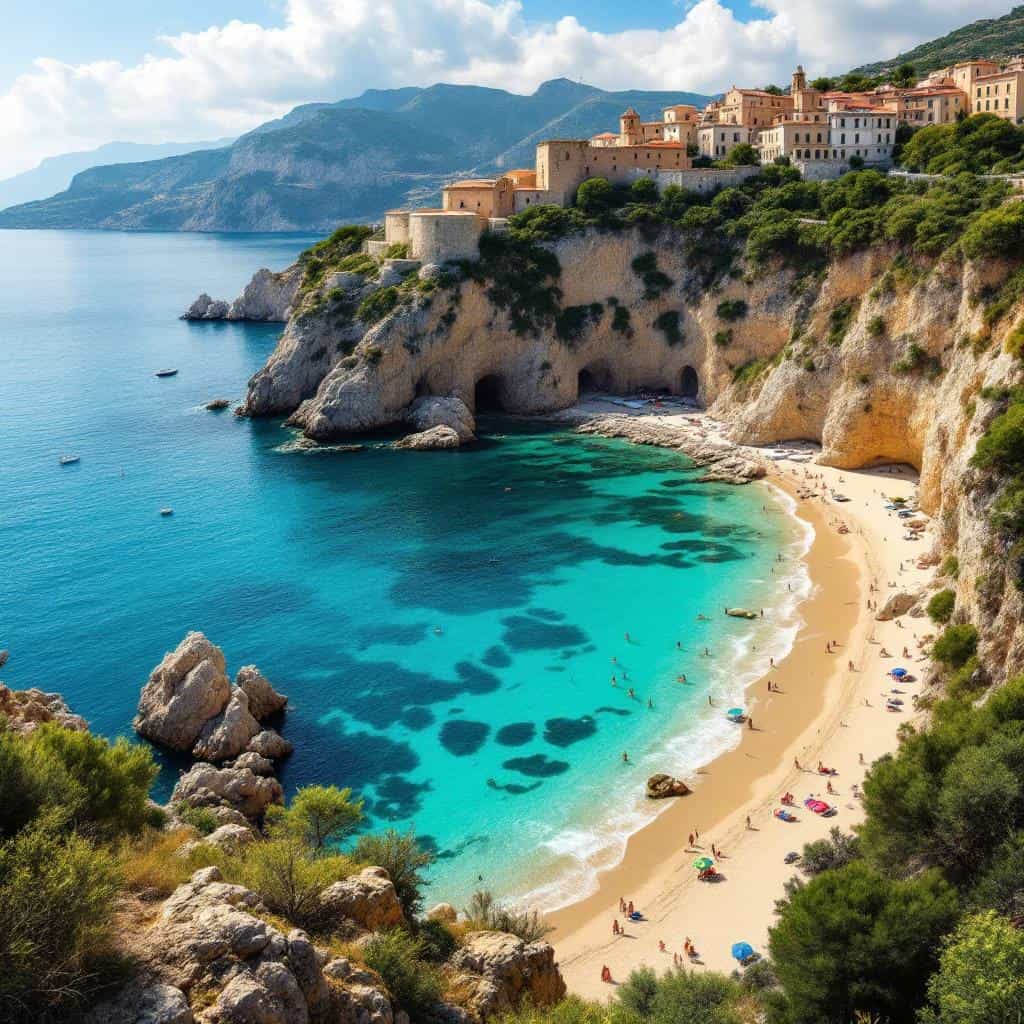
Seen from a map, Calabria looks like the very tip of the Italian boot poised to step into the heart of the Mediterranean, and its coasts stretch for nearly 800 kilometers between the Tyrrhenian and Ionian Seas in a mosaic of cliffs, coves, dunes and long sandy crescents. While regions like the Amalfi Coast or Sardinia have long attracted global crowds, Calabria has remained something of a guarded secret, cherished by Italians and a smaller circle of foreign travelers willing to trade ease of access for authenticity, and this relative isolation has helped preserve some of the most pristine beaches in the country. The combination of wild nature and transparent water is striking: mountains plunge almost directly into the sea, dense maquis brushes the edges of pale sand, and tiny villages cling to promontories above turquoise coves that in photographs are often mistaken for the Caribbean. In recent years, travel writers and social media have begun to shine a spotlight on Calabria, but much of the coastline still feels untouched, evoking older rhythms of Mediterranean life. This article journeys along the shores of Calabria, highlighting its most beautiful beaches and exploring how geology, history and local culture have shaped a region that lives in constant dialogue between nature and the sea.
To understand Calabria’s beaches, it helps to divide the region into two main maritime faces, because the Tyrrhenian coast to the west is rugged and dramatic, while the Ionian coast to the east is broader and more open to the Greek world. On the Tyrrhenian side, often dubbed the Costa degli Dei or Coast of the Gods around Tropea and Capo Vaticano, volcanic rock formations create dizzying cliffs and hidden coves, and the seabed drops off quickly into cobalt blue depths that divers and snorkelers prize. On the Ionian shore, especially in areas like Costa degli Aranci and the far southern stretches towards Capo Rizzuto, the coastline becomes a sequence of long sandy beaches, dunes and shallow, emerald‑green waters ideal for families and leisurely swims. Geologists explain that this dual character is rooted in Calabria’s complex tectonic history, where the Apennine mountains meet the sea, and marine biologists working in local protected areas emphasize that the mix of rocky coast and sandy stretches supports an unusually diverse marine ecosystem. These scientific details are rarely in tourist brochures, yet they partly explain why waters here so often appear extraordinarily clear and multicolored, because the rocky seabeds and limited industrial development keep turbidity low and light refracts through the water in brilliant tones.
The symbolic heart of beach‑going in Calabria is Tropea, a town perched on cliffs that rise abruptly above one of Italy’s most photographed shorelines, where pale sand arcs below a dramatic rock crowned by the sanctuary of Santa Maria dell’Isola. According to local lore, Tropea’s strategic position made it a favored lookout for Norman, Aragonese and Bourbon rulers, and the town’s old palazzi still bear the marks of aristocratic families who looked out from their balconies over a sea that served as highway and frontier. Today visitors descend from the historic center via stairways carved into the cliff to reach Spiaggia della Rotonda and adjoining beaches, where the contrast between the golden sand, the white rock and the intense turquoise of the water is almost startling. Travel photographers describe Tropea as a place where the light seems to bounce between sea and stone, and in late afternoon the sun paints the cliffs with warm copper tones while swimmers linger in the still‑warm sea. Some travelers fear that Tropea has become overrun, yet urban planners note that the town’s compact size and limited parking naturally cap numbers, and by walking just a short distance along the shoreline, one can still find less crowded stretches, especially outside the peak weeks of August. The town’s famed red onions, sweet enough to eat raw, even become part of the beach culture, appearing in panini and salads sold from kiosks that look out onto the Tyrrhenian expanse.
A few kilometers south of Tropea lies Capo Vaticano, widely regarded by Italian travel magazines as hosting some of the most beautiful beaches in the entire peninsula, and marine experts single out this promontory as a hotspot for underwater biodiversity. Here the coastline breaks into a sequence of small bays—Grotticelle, Praia i Focu, and Ficara among others—separated by rocky outcrops and reachable by steep paths or, more poetically, by small boats that skim across jade‑green water. Locals still recount stories of fishermen who once used the cliffs as natural observatories to read currents and fish movements, and in the 1960s a trickle of German and Swiss travelers discovered these secluded shores, establishing the area’s first small family‑run guesthouses. Praia i Focu, historically accessible only by sea until recent trails were opened, retains an almost mythic aura because high cliffs shelter it from winds, making the water almost always calm and limpid, and on quiet mornings the beach can feel like a private amphitheater of rock and light. Environmental groups have pushed authorities to regulate boat traffic near the most fragile coves, arguing that unchecked access could damage the Posidonia oceanica meadows that oxygenate the water and stabilize the seabed, and studies from Mediterranean marine institutes back up these concerns by linking seagrass decline with anchoring pressure. Yet Capo Vaticano remains, for now, a place where the human footprint is still relatively light, and where the soundtrack is more likely to be waves against stone than thudding beach clubs.
Moving north along the Tyrrhenian coast, the Gulf of Policastro and the Riviera dei Cedri offer another facet of Calabrian seaside life, mixing wide beaches with dramatic rock formations and small islands that punctuate the horizon. Diamante, known as the city of murals, has long beaches of coarse sand and pebbles that attract families, and just offshore lies the small Isola di Cirella, where the ruins of a medieval village peer out from the vegetation like a stone mirage above crystal water. Further up, Praia a Mare and its iconic Isola di Dino form a snorkeler’s paradise, riddled with sea caves that glow with surreal colors when sunlight filters through openings in the rock, and older locals like to recall how teenagers once dared each other to dive from ever higher ledges into the deep blue below. Marine speleologists have studied these caves for decades, documenting rare corals, sponges and microfauna, and their reports emphasize how the unusual interplay of freshwater springs and marine currents creates pockets of unique conditions. Tour operators now run careful boat tours, yet some biologists worry that the noise and pollution could compromise fragile habitats, so there is growing talk of stricter zoning. For travelers, the Riviera dei Cedri offers a compromise between accessibility—thanks to rail connections and established hotels—and the sense of coastal wilderness that defines much of Calabria, especially if one visits in shoulder seasons when the beaches fall quiet and the cedars that give the region its name perfume the air.
The Ionian side of Calabria, facing east towards Greece, offers a different emotional landscape, one that feels broader, more open and suffused with echoes of ancient civilizations that sailed these waters long before modern tourists. In the north, the beaches around Roseto Capo Spulico and Sibari stretch in long, pale strips framed by olive groves and citrus plantations, and historians point out that the nearby plain of Sybaris was home to one of the wealthiest Greek colonies of antiquity, whose inhabitants were so synonymous with luxury that the word sybarite entered many European languages. Today the term feels oddly appropriate when one lies on a nearly empty Ionian beach, listening only to the even rhythm of waves and the distant hum of cicadas, because the sea here is shallow, warm and inviting for slow, languid swims. Common belief paints the Ionian coast as less scenic than the Tyrrhenian, yet coastal geomorphologists argue that its beauty is subtler rather than lesser, residing in the way light plays on longer horizons and in the lingering presence of dunes and wetlands that elsewhere in Italy have often been erased by overdevelopment. Town planners in some Ionian municipalities have started to promote so‑called soft tourism, favoring small eco‑lodges and agriturismi over massive resorts, and early data from regional tourism boards suggest that visitors who choose the Ionian side tend to stay longer and engage more deeply with local culture, from archaic festivals to Greek‑Calabrian dialects that still echo across certain villages.
One of the most distinctive protected areas on the Ionian coast is the Capo Rizzuto Marine Reserve, a broad stretch of coastline near Crotone that encompasses rocky promontories, sandy coves and seagrass meadows teeming with life. Established in the 1990s after a long campaign by environmentalists and marine scientists, the reserve aims to reconcile tourism with conservation, and guidelines limit certain activities in core zones while allowing regulated snorkeling, diving and boating in others. The beaches at Le Castella, overlooked by a medieval Aragonese fortress rising from a tiny islet just offshore, offer one of the most emblematic images of Calabria: stone walls silhouetted against turquoise water that looks almost unreal on clear days, and fishermen’s boats bobbing nearby as if frozen in time. Archaeologists frequently stress that this coast hides layers of history beneath its sands, from Greek and Roman shipwrecks to traces of Byzantine outposts, and underwater surveys continue to reveal artifacts that expand our understanding of Mediterranean trade routes. Tourists often arrive for the spectacle of the castle, yet many leave talking most enthusiastically about the marine life they encountered while snorkeling less advertised coves, where bream, mullet and octopus thrive amid submerged rocks. There is a persistent belief that protected areas necessarily deter visitors, but local tourism statistics around Capo Rizzuto contradict this assumption, showing rising numbers and higher average spending, which economists interpret as evidence that travelers now increasingly value unspoiled nature and are willing to follow rules that help preserve it.
Further south along the Ionian shoreline, towards the so‑called Costa dei Gelsomini, the beaches grow quieter and the human presence thinner, and it is here that Calabria’s marriage of nature and sea perhaps feels most intimate. Long, mostly undeveloped stretches of sand unfold near towns like Locri, Roccella Ionica and Marina di Gioiosa Ionica, where the backdrop is a patchwork of citrus groves, old farmhouses and distant mountain ridges from the Aspromonte range. Historians recall that this area hosted some of Magna Graecia’s most important cities, such as Locri Epizefiri, and visitors can still combine a morning among columns and museum vitrines with an afternoon swim in waters that mirror the same horizon ancient sailors once watched. Mythology permeates local stories, with older residents telling of sea nymphs and heroes tied to specific rocks or currents, and although such tales might sound fanciful, cultural anthropologists argue that they underline a long‑standing sense of respect and caution toward the sea. In practical terms, these Ionian beaches are favored by families and those seeking space, with gently sloping seabeds and room to walk for kilometers without encountering more than a handful of sun umbrellas, especially outside weekends in August. Hoteliers and local administrators increasingly frame this tranquility as an asset rather than a drawback, positioning the Costa dei Gelsomini as an antidote to overcrowded resorts elsewhere in the Mediterranean, and small pilot projects for dune restoration show an emerging awareness that the value of these shores lies in their relative wildness.
At the extreme southern tip of Calabria, where the two seas meet in complex currents, stands the Aspromonte range, whose foothills descend rapidly to some of the region’s most evocative and lesser‑known beaches. On the Ionian side, near towns like Palizzi Marina and Bova Marina, pebbly coves lie at the base of steep, almost barren hills that glow ochre and red at sunset, and linguists point out that nearby inland villages preserve a form of Greek dialect, evidence of centuries‑old communities with roots across the water. On the Tyrrhenian side near Scilla and Chianalea, the landscape transforms into a narrow strip of houses wedged between cliff and sea, and the beaches here overlook the Strait of Messina, long feared and revered for its treacherous currents. Classical authors like Homer turned this stretch into legend through the myth of Scylla and Charybdis, and modern oceanographers confirm that the unique meeting of waters does create violent whirlpools and sudden shifts, making the strait a challenge for inexperienced sailors. The beach at Scilla, with fine sand and a backdrop of a castle perched on rock, offers a powerful sense of place where story and geography intertwine, and fishermen still practice the traditional swordfish hunt using tall feluccas, whose high masts once allowed spotters to glimpse the shimmering backs of fish cutting through the waves. For visitors, swimming in these waters is to participate, however briefly, in a continuum of human engagement with a sea that is both generous and formidable, and local guides often emphasize safety while also recounting heroic and tragic episodes from fishing history.
Beyond the individual beaches, what ties Calabria’s coastline together is the constant interplay between sea, nature and local communities, and this relationship is both economic and emotional. Tourism now represents a crucial sector for the region, yet many residents still depend on small‑scale fishing, agriculture and seasonal work linked to the land, and sociologists studying rural Italy note that Calabria’s comparatively low levels of mass tourism have helped maintain stronger community ties than in some more heavily visited areas. This does not mean that development pressures are absent, and environmental NGOs have repeatedly warned about illegal building too close to the coastline, unregulated campsites and the erosion of dunes under the weight of cars and beach structures. In response, some municipalities and regional authorities have begun to adopt stricter coastal plans, promoting wooden boardwalks instead of concrete, limiting access to sensitive areas, and supporting Blue Flag certifications that require high standards for water quality and waste management, and early evidence suggests that such measures can simultaneously enhance the visitor experience and protect ecosystems. Experts in sustainable tourism argue that Calabria stands at a crossroads, with the possibility of learning from the mistakes made in other Mediterranean regions by investing in low‑impact models that highlight trekking, diving, cultural routes and agritourism as complements to beach life. For travelers considering Calabria today, the invitation is to explore not just postcard‑perfect coves but also the layers of history, culture and environmental effort that shape the region’s shores, because in doing so one participates in a broader story about how humans live with, and hopefully care for, the sea that has defined them for millennia.
You may also like
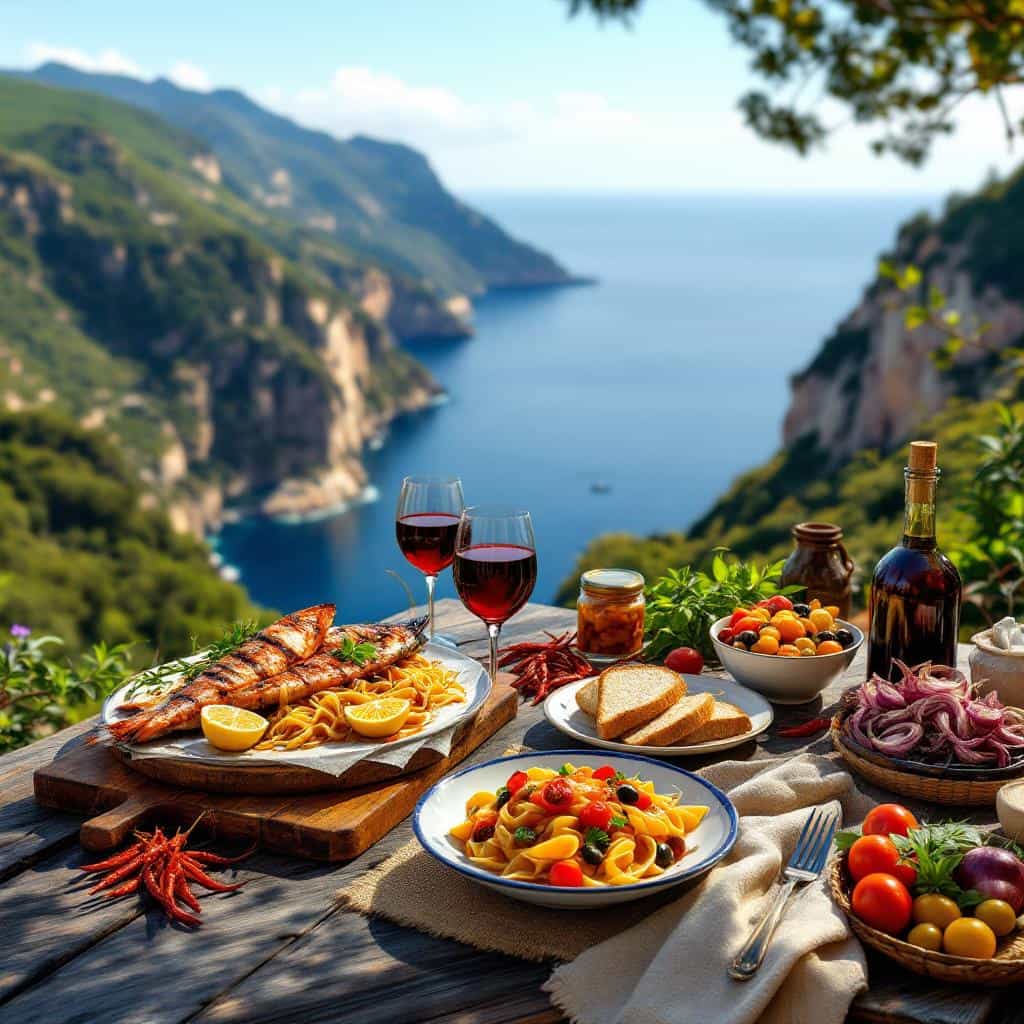
Calabria: Typical Dishes Where Mountain Traditions Meet the Sea
A journey through the most iconic Calabrian dishes, exploring how ancient rural traditions, mountain ingredients and the wild Tyrrhenian and Ionian seas blend into a unique culinary identity.
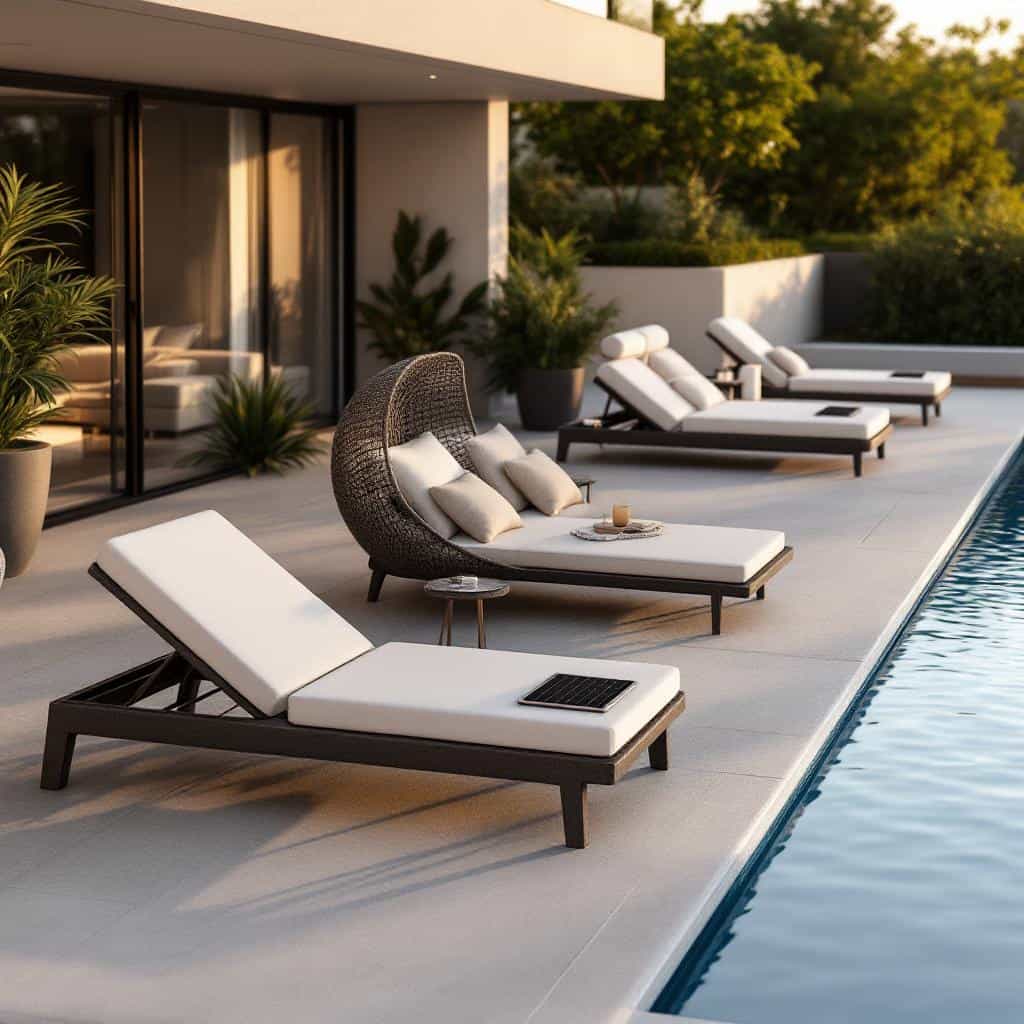
The Best Sun Loungers of 2026
From smart adjustable loungers to ultra‑light aluminum models and luxury poolside daybeds, 2026 is shaping up to be a breakthrough year for outdoor relaxation. This in‑depth guide examines the best sun loungers of 2026, their technical features, strengths and weaknesses, pricing, warranties and the key innovations that are redefining the way we enjoy the sun.
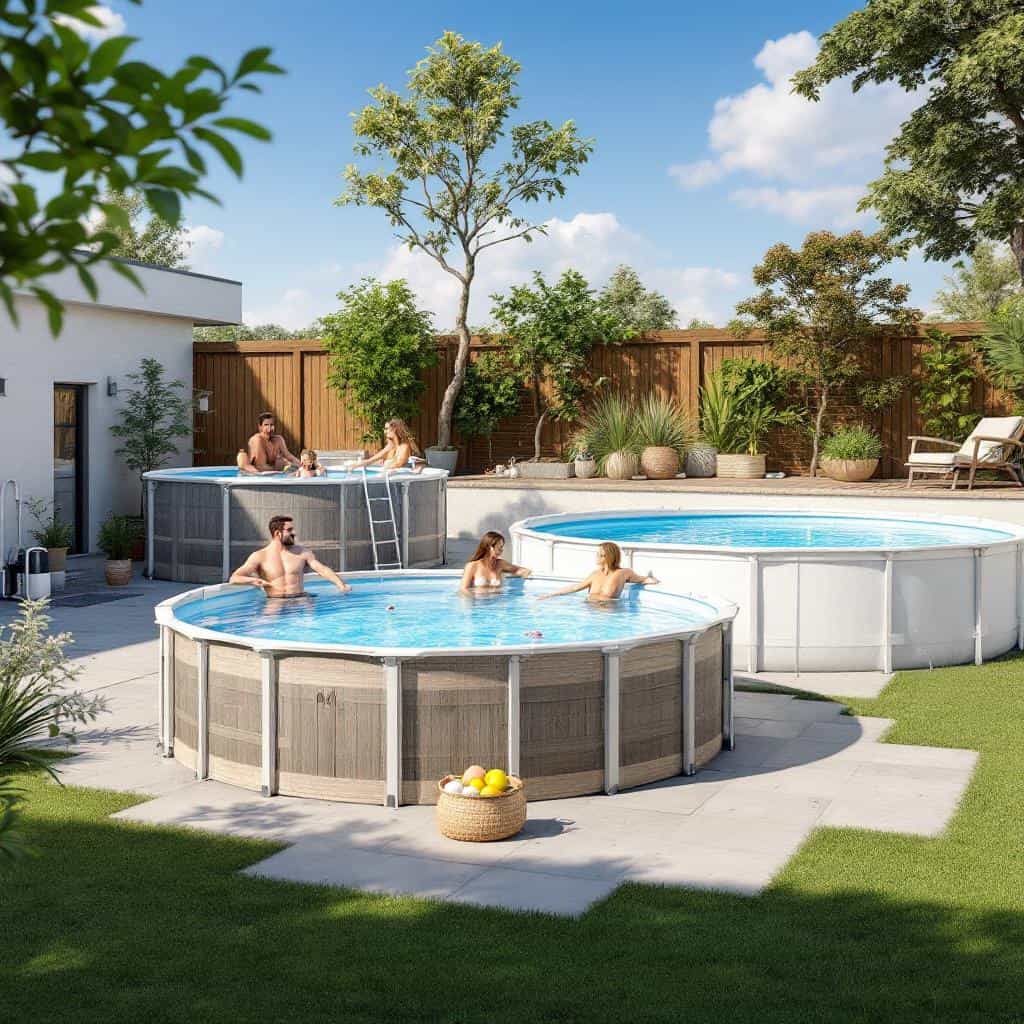
Best Above-Ground Pools of 2026: Models, Innovations and Prices
A deep dive into the best above-ground pools of 2026, exploring technical features, pros and cons, new trends, price ranges and warranty conditions, with expert opinions and practical advice for different types of buyers.
Scopri le spiagge più belle della Calabria
Dal Mar Tirreno allo Ionio, la Calabria offre alcune delle spiagge più spettacolari e ancora poco conosciute d'Italia. Questo lungo articolo esplora la costa della regione, da Tropea e Capo Vaticano alle distese selvagge del versante ionico, intrecciando natura, storia, aneddoti locali e approfondimenti di esperti sul perché la Calabria potrebbe essere la prossima grande fuga nel Mediterraneo.