

The Best Sun Loungers of 2026
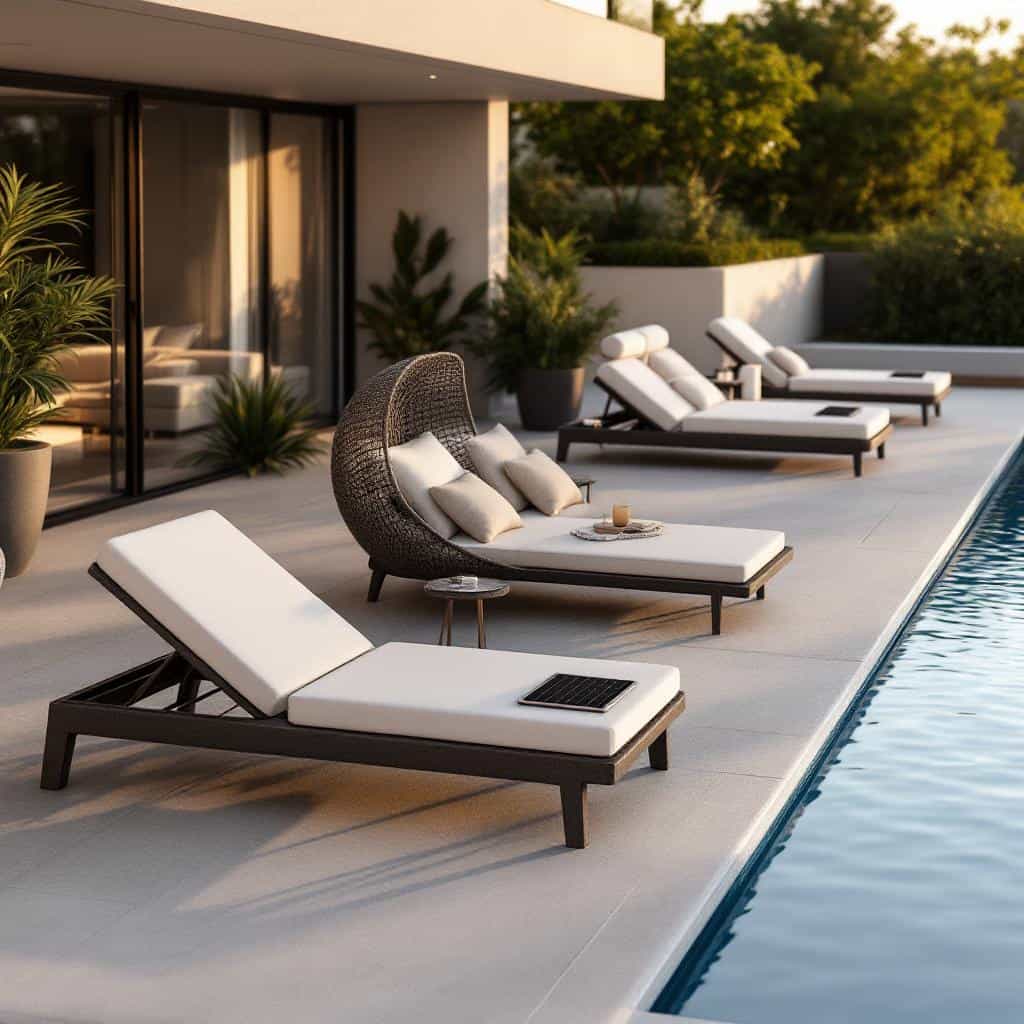
In 2026 the humble sun lounger has quietly become a piece of high‑tech outdoor equipment, rather than a simple plastic bed you drag to the pool. Manufacturers are competing on comfort, sustainability, weather resistance and even connectivity, while consumers demand products that can survive intense sun, sudden storms and years of heavy use. Where a decade ago buyers mostly compared color and price, the 2026 market has turned into a catalog of technical fabrics, powder‑coated frames, modular cushions and extended warranties. This evolution mirrors what happened earlier with office chairs and mattresses: once people realize how many hours they spend in a product, the expectations rise, and the sun lounger is no exception. In this overview of the best sun loungers of 2026, we will look at leading categories, specific standout models, key innovations, price ranges and the fine print of guarantees, together with the pros and cons that retailers often downplay.
A first major trend for 2026 is the dominance of lightweight aluminum loungers with multi‑position reclining systems, often inspired by professional yacht and spa equipment. A typical high‑end aluminum model this year uses powder‑coated 6061 or 6063 aluminum, chosen for its combination of low weight, corrosion resistance and rigidity, and is paired with a synthetic mesh fabric like Textilene or polyester with PVC coating. The best models feature six to eight reclining positions, including a near‑flat setting suitable for sunbathing or poolside naps, as well as upright angles designed for reading or working on a tablet. Engineers interviewed at several European garden furniture fairs in late 2025 explained that much of the innovation happens in the seemingly simple hinges: high‑strength stainless steel bolts, hidden ratchet systems and anti‑pinch designs improve durability and safety. Yet these loungers are not without flaws: aluminum can dent under heavy impact, the mesh fabrics can stretch over years, and darker coatings may absorb more heat, making armrests uncomfortably warm in midsummer.
Within this category, the 2026 market sweet spot for quality aluminum loungers sits between roughly €200 and €450 per unit, with an increasing number of brands offering five‑year frame warranties and two‑ to three‑year coverage for fabrics and moving parts. Premium European brands, often manufactured in Italy, Germany or Spain, emphasize their powder‑coating processes, claiming 1,000 to 1,500 hours of UV resistance and salt‑spray tested hardware suitable for coastal environments. Retailers at trade shows report that buyers often underestimate the importance of these test figures, focusing instead on color or styling, yet these lab metrics usually predict how the lounger will look after several seasons. The pros are evident: these loungers are light enough to move from terrace to garden, stable enough for frequent daily use and usually stackable for winter storage. On the downside, budget versions under €150 often cut corners on welds, wall thickness of the tubes and quality of the plastic end caps, leading to wobble, corrosion at joints and noisy creaking after just one or two summers, a recurring complaint in online reviews.
Running parallel to the aluminum boom, 2026 brings a refined generation of synthetic rattan and resin‑woven loungers, designed to mimic the look of natural wicker while solving its classic weaknesses of rot and fading. These loungers typically use hand‑woven polyethylene or polypropylene fibers treated with UV stabilizers, wrapped around aluminum or steel frames. The better brands in 2026 explicitly specify double‑walled fibers and color‑through pigments rather than surface painting, which means that minor scratches do not reveal a different color underneath. Designers point back to the early 2000s, when the first wave of outdoor rattan furniture hit the market and rapidly disappointed customers with brittle, faded strands after two to three seasons. Today’s generation, by contrast, boasts UV‑resistance ratings of up to 3,000 hours and resilience to temperature swings from −20 °C to +50 °C, at least in manufacturer data. The cushions on these loungers have also improved: quick‑dry foam cores with open cells allow water to drain, and solution‑dyed acrylic covers such as Sunbrella or Olefin blends offer mildew resistance and color stability.
The leading rattan‑style loungers of 2026 are positioned more as design furniture than purely functional equipment, and this is reflected in prices that often range from €350 to €900 for a single high‑quality piece, especially when matching side tables and cushions are included. Many premium outdoor brands now offer modular daybed‑style loungers with adjustable backrests and integrated side panels, effectively blurring the line between a sun lounger and a compact outdoor sofa. Warranties in this segment are typically generous on the frame and the synthetic weave—five to seven years is not uncommon—yet shorter on fabric cushions, which usually carry two to three years of coverage. The main pros of these rattan loungers are their aesthetic appeal and the perception of luxury; hotels and resorts frequently choose them to elevate poolside areas for marketing photos. However, experts warn of several downsides: cheaper imitations can be hard to distinguish at first glance yet use thin, hollow fibers prone to splitting; steel frames hidden inside may rust if not properly galvanized; and thicker woven bodies make the loungers heavier and more awkward to move, a practical issue for private users who need to chase the sun across a small terrace.
Another prominent innovation in 2026 is the rise of so‑called hybrid loungers that combine metal structures, synthetic mesh and removable, padded toppers, aiming to provide the easy maintenance of a classic sling chair with the comfort of a cushioned daybed. These models often feature replaceable fabric slings attached with hidden clips or lacing systems, making it possible to refresh the lounger after a few seasons without replacing the frame. Some brands have gone further, offering reversible toppers with different textures on each side—one smoother for quick drying after a swim, the other softer for long reading sessions. According to interior and outdoor designer interviews published in trade magazines, buyers increasingly look for versatility, wanting one product that can function as a pool lounger in summer, a reclining reading chair in autumn and even an indoor guest bed when placed in a conservatory. From a technical standpoint, these hybrid loungers rely on precise ergonomic design to keep the spine aligned in different positions, and higher‑end models publish measurements of lumbar support curvature and seat‑to‑back angles tailored to average human anatomy.
Prices for these hybrid, comfort‑oriented loungers in 2026 span a wide spectrum, from around €250 for mid‑range models sold through large retailers up to €1,200 or more for designer pieces with integrated canopies, wheels, side trays and premium textiles. The warranties tend to distinguish clearly between structural and soft components: frames may enjoy five‑year or even ten‑year guarantees against manufacturing defects, while cushions and toppers are limited to two years, with softer foams typically excluded from coverage for flattening over time. The clear advantage of this category is the ability to adapt: removable covers can be machine‑washed, toppers stored indoors in winter and worn fabrics replaced without scrapping the lounger. However, the added complexity introduces weaknesses. Hinges and joints that allow multiple configurations can loosen or squeak, and users sometimes report that the very adjustability that is marketed as a key selling point becomes a nuisance when they accidentally change the angle while simply trying to shift their weight. Experts advise checking how intuitive the mechanisms feel in person, rather than relying solely on catalog images.
At the more affordable end, folding and portable loungers continue to play an important role in 2026, particularly for beachgoers, campers and balcony owners with limited storage space. These models typically feature steel or basic aluminum frames with X‑shaped legs, canvas or polyester fabric seats and simple three‑position backs, often accompanied by carrying straps or shoulder bags. Their technical focus lies less in design and more in weight, compactness and ease of folding, and new iterations this year use thinner but stronger alloys, as well as ripstop fabrics to resist tearing. Prices can be as low as €40 to €100, making them accessible to a wide audience. Still, outdoor recreation specialists emphasize that skimping too much on quality may result in rusted joints and sagging seats within a single season. Common shortcomings include thin powder coatings that chip easily, plastic feet that crack on rough stone surfaces and locking mechanisms that sometimes fail, posing a minor safety risk when children climb on them. Unlike the premium loungers, these budget models usually offer only one‑ or two‑year limited warranties, often covering just manufacturing defects discovered on first use.
On the opposite side of the spectrum, 2026 continues to see demand for oversized double loungers, cabana‑style daybeds and even motorized sunbeds, particularly in the luxury hospitality and high‑end residential markets. These pieces resemble small outdoor islands, with built‑in shading canopies, USB charging ports, side tables with integrated cup holders and sometimes even discreet solar panels to power low‑wattage fans or LED lighting. A few innovative models presented at recent design fairs introduced motorized backrests that can be adjusted at the touch of a waterproof remote, intended for users with reduced mobility as well as for pure comfort. The technical challenges here revolve around weather‑sealed electronics, corrosion‑resistant wiring and safe low‑voltage systems; manufacturers tout IP‑rated components and reinforced structures that can hold two to three adults, with maximum loads above 250 kilograms. Unsurprisingly, these features come at a cost, with prices easily surpassing €2,000 and sometimes approaching €5,000 for fully equipped, branded daybeds.
Sustainability and durability run through all segments of the 2026 sun lounger market, in part because consumers have become more aware of the environmental cost of replacing cheap furniture every few years. Leading brands increasingly disclose recycled content in their aluminum frames, opt for FSC‑certified wooden accents when teak or acacia are used, and highlight water‑based coatings rather than solvent‑heavy paints. Several Scandinavian manufacturers now offer take‑back or refurbishment programs, extending the life cycle of their loungers beyond the original buyer; this echoes earlier initiatives seen in indoor furniture. Experts in environmental design point out that a durable lounger kept for 10 to 15 years often has a lower overall footprint than multiple short‑lived inexpensive models, despite the higher initial material and energy inputs. Guarantees have become part of this messaging: ten‑year frame warranties, pro‑rated fabric coverage and clearly listed spare parts aim to convince buyers that their investment is protected. Yet consumers should read the fine print carefully, because many warranties exclude damage from sunscreen oils, chlorinated pool water and improper storage, even though these are common real‑world exposures.
Behind the marketing claims and glossy photos, the best sun loungers of 2026 share a few core technical virtues: strong and well‑finished frames, fabrics designed for constant UV exposure, ergonomic shapes that respect spinal alignment and practical details like wheels, stackability or easily replaceable components. The main innovations this year center on more durable coatings, smarter modular cushions, and in luxury segments, integrated shading and power features. In terms of costs, casual buyers can still find functional loungers from €50 to €150, design‑conscious consumers will look around the €300 to €800 bracket, while luxury and hotel‑grade models can climb well above €1,500. Pros include unprecedented comfort, aesthetics that complement modern architecture and longer warranties, while cons revolve around complexity, heavier structures, the risk of paying mostly for branding and the persistent gap between brochure promises and real‑world aging under sun and rain. As with any product so intimately tied to personal comfort, expert advice remains surprisingly simple: test if possible, check load capacity, scrutinize warranty exclusions, and choose the lounger that you can imagine still enjoying—without creaks, rust or faded cushions—on a summer afternoon a decade from now, rather than just the one that looks best in an online photo today.
You may also like
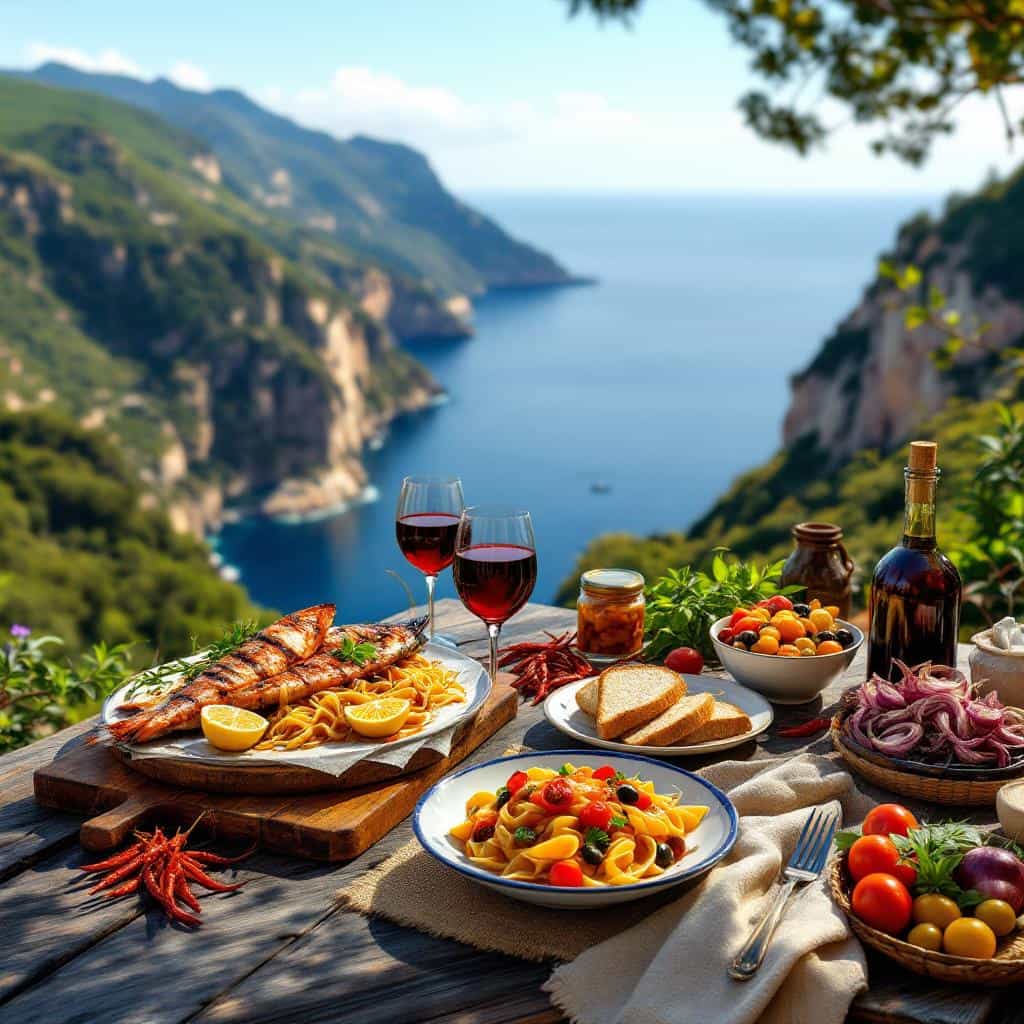
Calabria: Typical Dishes Where Mountain Traditions Meet the Sea
A journey through the most iconic Calabrian dishes, exploring how ancient rural traditions, mountain ingredients and the wild Tyrrhenian and Ionian seas blend into a unique culinary identity.
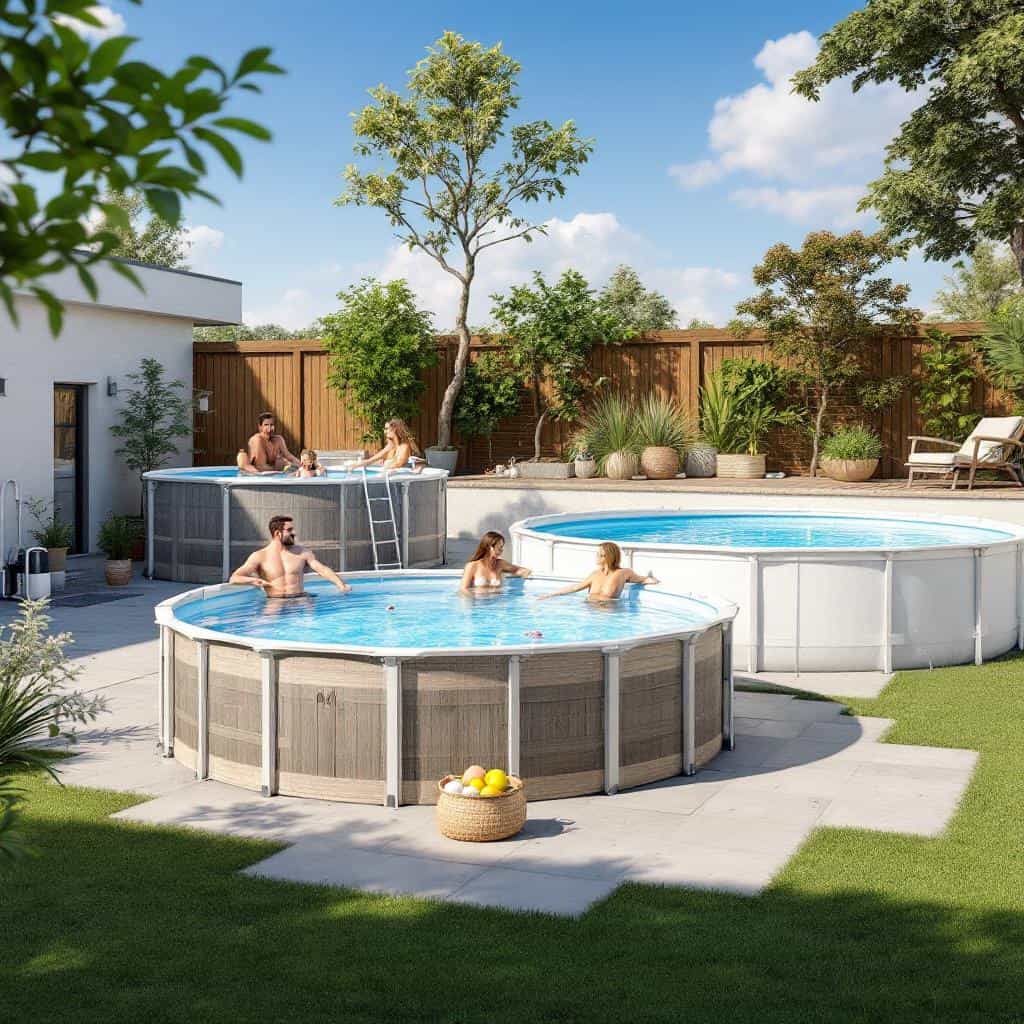
Best Above-Ground Pools of 2026: Models, Innovations and Prices
A deep dive into the best above-ground pools of 2026, exploring technical features, pros and cons, new trends, price ranges and warranty conditions, with expert opinions and practical advice for different types of buyers.
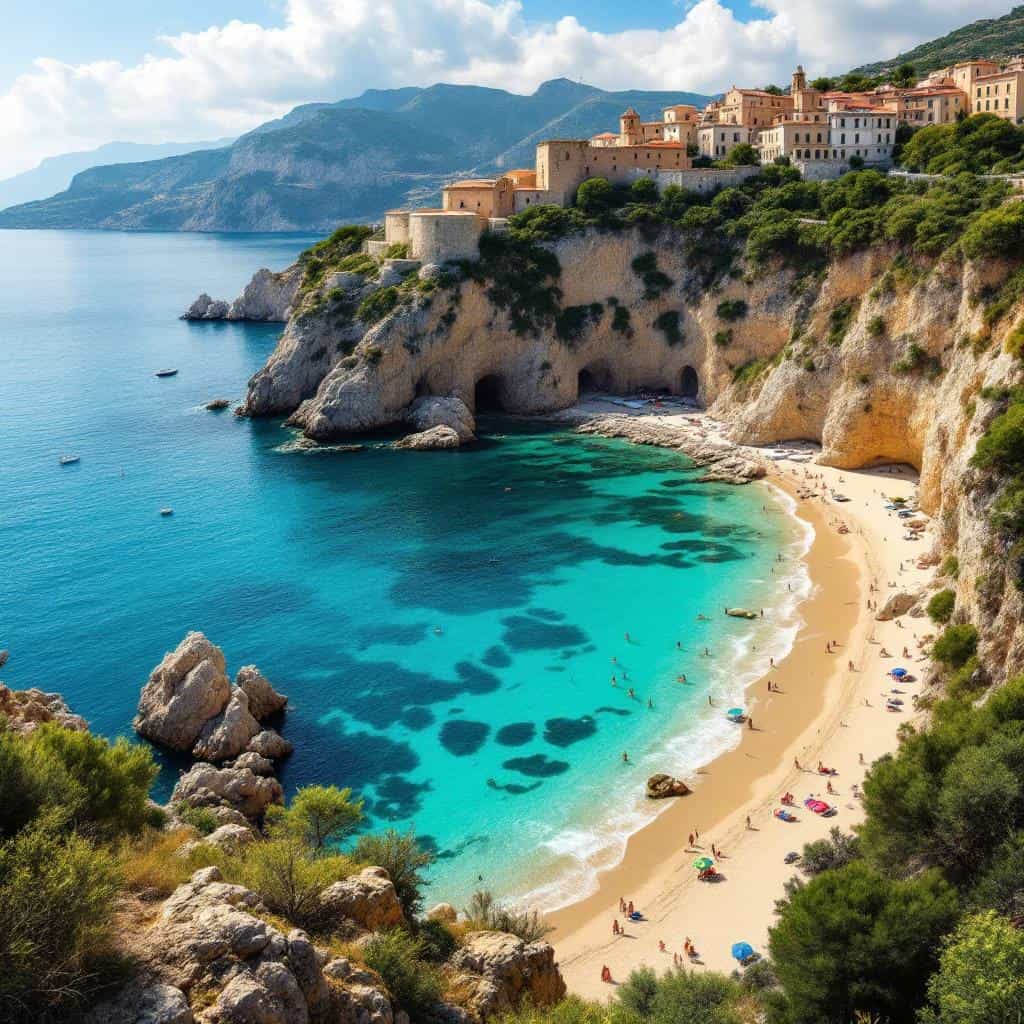
Discover the most beautiful beaches in Calabria
From the Tyrrhenian to the Ionian Sea, Calabria offers some of Italy’s most spectacular and still under‑the‑radar beaches. This long‑form feature explores the region’s coastline, from Tropea and Capo Vaticano to the wild stretches of the Ionian side, weaving together nature, history, local anecdotes and expert insights on why Calabria may be the next great Mediterranean escape.
Scopri le spiagge più belle della Calabria
Dal Mar Tirreno allo Ionio, la Calabria offre alcune delle spiagge più spettacolari e ancora poco conosciute d'Italia. Questo lungo articolo esplora la costa della regione, da Tropea e Capo Vaticano alle distese selvagge del versante ionico, intrecciando natura, storia, aneddoti locali e approfondimenti di esperti sul perché la Calabria potrebbe essere la prossima grande fuga nel Mediterraneo.